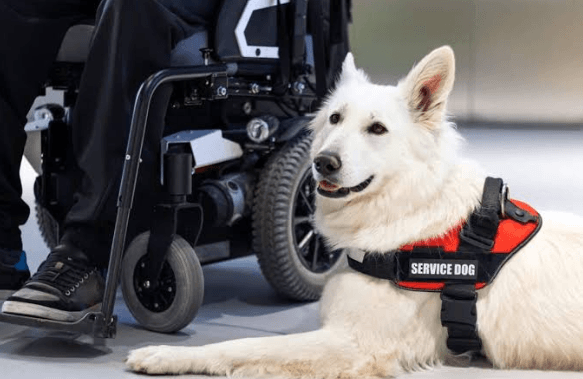
Inexpensive Service Dog Training: Affordable Ways to Build a Reliable Service Dog

Service dogs perform specific tasks that directly assist individuals with disabilities. These tasks may include retrieving items, providing mobility support, or alerting to certain symptoms. Because service dogs must perform reliable disability-related tasks and maintain appropriate public behavior, training is an essential part of the process.
Many individuals living with disabilities who need a service dog worry about the cost of training. Professional service dog programs often cost thousands of dollars, making them financially out of reach. As a result, people often search for inexpensive service dog training options that can help them develop a capable working dog without overwhelming expenses.
While service dog training requires dedication and time, there are several affordable paths available for handlers. Fortunately, such training options can still produce excellent results when approached consistently and responsibly.
What Makes Service Dog Training Different
Before exploring inexpensive service dog training methods, it is important to understand what separates service dog training from basic obedience classes.
While obedience skills such as “sit,” “stay,” and “come” are important foundations, service dogs must also learn specialized tasks related to their handler’s disability. These tasks are what distinguish a service dog from a pet or an emotional support animal.
In addition to task training, service dogs must learn to remain calm and focused in a variety of environments. Public access training often includes exposure to stores, restaurants, medical facilities, and other locations where distractions are common.
The dog must demonstrate reliability, confidence, and good manners while working alongside their handler. This level of preparation takes time, but it does not always require expensive programs.
Inexpensive Service Dog Training Options
One of the most common inexpensive service dog training methods is owner training. Under the Americans with Disabilities Act (ADA), individuals are generally permitted to train their own service dogs. This option can significantly reduce costs because handlers are personally responsible for much of the training process rather than paying for a full-service training program.
Online training courses have also become increasingly popular. Many reputable trainers provide instructional videos, webinars, and step-by-step online service dog training programs at a fraction of the cost of private lessons.
These resources allow handlers to learn training techniques while working at their own pace. Online education can be particularly helpful for individuals who live in areas with limited access to service dog trainers.
The Importance of Positive Reinforcement
Positive reinforcement is the most effective approach for inexpensive service dog training. This method focuses on rewarding desired behaviors rather than punishing mistakes. Rewards may include treats, praise, toys, or other forms of motivation that encourage the dog to repeat successful behaviors.
Positive reinforcement helps create a strong bond between the handler and the service dog. Dogs trained using reward-based methods often demonstrate greater enthusiasm, confidence, and willingness to work.
These qualities are especially important for service dogs that must perform tasks reliably in public settings. Consistent rewards help reinforce learning and improve long-term performance.
Creating a Consistent Training Schedule
Consistency is one of the most important factors in successful service dog training. Even the best training methods can produce limited results if they are not practiced regularly. Short daily training sessions are often more effective than occasional lengthy sessions. Frequent practice helps dogs retain information and build reliable habits.
Handlers pursuing inexpensive service dog training should create realistic goals and training plans. Breaking larger skills into smaller steps makes learning easier for both the dog and the handler.
For example, task training can begin in a familiar setting before progressing to busier, distraction-filled public environments. This gradual approach helps prevent frustration and encourages steady improvement.
Finding Community Support
Service dog handlers do not have to navigate training alone. Many communities have support groups, nonprofit organizations, and online forums dedicated to service dog education. These groups often provide valuable guidance, encouragement, and practical advice for individuals seeking affordable training solutions.
Local dog clubs may also offer low-cost classes or training opportunities. Some experienced trainers volunteer their time through community programs that support individuals with disabilities. Exploring these resources can help reduce expenses while providing access to valuable knowledge and experience.
Understanding Inexpensive Dog Training Options
Inexpensive service dog training is possible when handlers combine dedication, consistency, and reliable educational resources.
While professional service dog programs can be expensive, owner training, group classes, online instruction, and community support can significantly reduce costs. These options allow individuals with disabilities to work toward developing a capable and reliable service dog without excessive financial strain.