How Creature Art, VFX, Damage States, and Arena Design All Meet in the Boss Fight

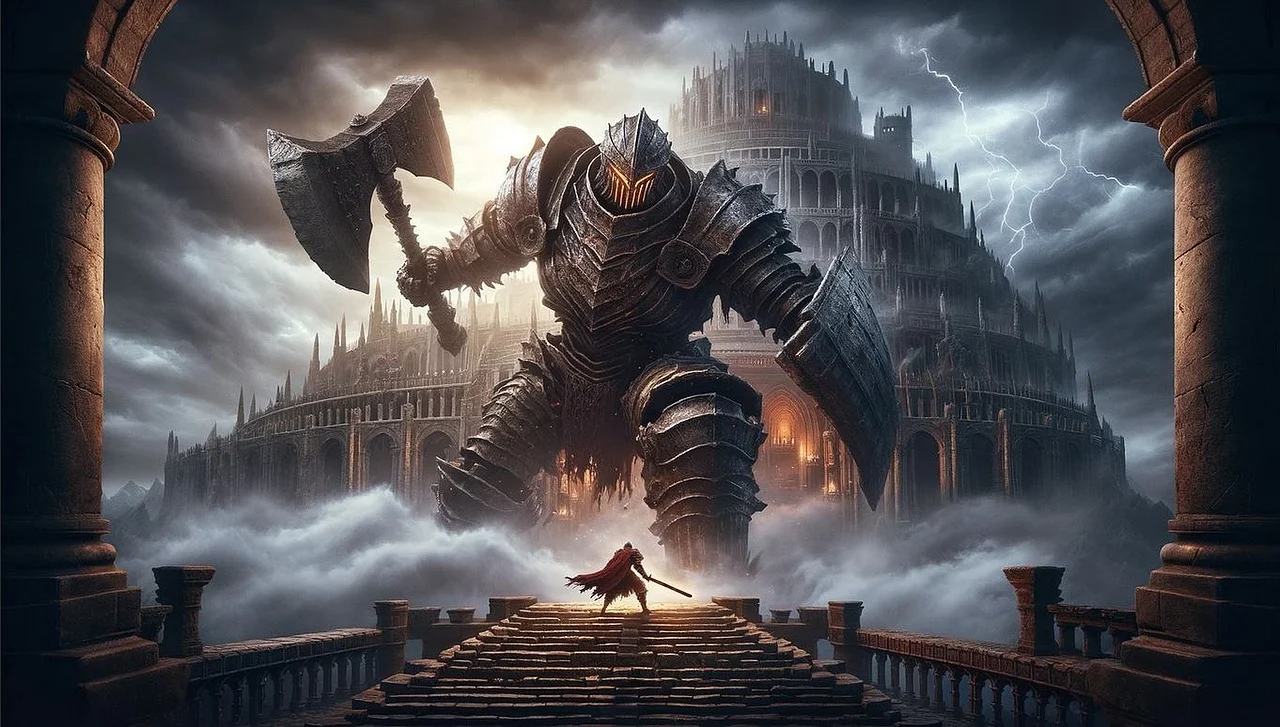
A boss fight compresses art tasks into one playable space. Creature shape, materials, animation, VFX, props, and arena layout must describe the same threat during combat. For studios comparing 3D art outsourcing companies, the boss encounter shows how separate art teams connect their work because every asset supports gameplay beats from the opening reveal to the final hit.
The process starts with a shared encounter plan. Designers define attacks, phases, weak points, and timing, while art teams turn those rules into forms the player can read at game speed. A horn may mark a charge direction, a glowing chest seam may show a vulnerable area, and a broken bridge may narrow the safe route during phase two. Each choice affects several departments, so the art plan should follow gameplay early.
Building the Creature Around Combat Rules
Creature modeling begins with silhouette and mass. A tall upper body can make overhead strikes easy to see, while wide shoulders may support sweeping attacks. Limbs, armor plates, tails, wings, and weapons need space to move through attack poses. Thus, the model carries combat information before texture or effects enter the scene.
Topology and part separation also follow the encounter plan. A breakable horn needs separate geometry and a damaged version. Armor that falls away may require hidden body surfaces beneath it, while a beam attack needs mouth detail that can hold light and effects. These choices influence rigging and character animation, since final poses must stay clear from the player’s usual camera distance.
This is one reason 3D art outsourcing can involve more than delivering a finished monster model. The creature may need variants, detachable parts, texture masks, effect sockets, and checks inside the game engine. Providers such as N-iX Games can help, especially when a studio splits creature work, environment art, and technical support across several groups.
Damage States Turn Progress Into Visible Change
A health bar gives a number, while the boss body can show progress inside the scene. Damage states connect attacks to visible change and prepare the next phase. A cracked shell may expose a soft core, burned fur may reveal a fire weakness, or a missing weapon may force the creature into close-range attacks.
A damage-state plan can follow the fight’s main beats:
- Base state: The full silhouette, intact armor, and core materials establish the creature’s normal read.
- Early damage: Small cracks, cuts, dents, or color shifts show that attacks are landing.
- Phase break: A major part breaks, opens, burns, or falls away as the combat rules change.
- Critical state: Larger wounds, exposed weak zones, heavier effects, and altered posture show the final section is near.
- Defeat state: The final pose, debris, and arena response close the visual story of the encounter.
These states require coordination between modeling, materials, animation, VFX, and gameplay setup. The damaged mesh must match the rig, effect artists need stable points for smoke, and designers need each state to appear at the correct trigger. Therefore, damage works as a chain of connected assets.
The same logic matters when a studio buys 3D art outsourcing services for a boss package. A clear brief should map each visual state to an encounter event, including what breaks, what remains, and what the camera can see. That map reduces gaps between an asset review and the fight running in the engine.
The Arena Is Part of the Boss Body
Arena design shapes the player’s relationship with the creature. Pillars can block a beam, raised ground can change the view of a large target, and narrow routes can make a charge harder to avoid. The arena art team therefore needs attack ranges and movement rules early, because a prop in the wrong lane can hide a wind-up or interfere with navigation.
Scale matters as well. A huge creature needs nearby objects that help the player judge size and distance. Broken carts, statues, doors, and columns create familiar reference points and can support phase changes. A boss may smash columns to remove cover, knock over a furnace that adds fire zones, or tear a chain from the wall and use it as a weapon.
Lighting and surface design guide visual attention during fast action, so bright detail must have a clear order. The weak point, dangerous floor zone, and safe route should remain distinct from torches, dust, and background motion. Clear visual priorities help during rapid decisions.
For a 3D art outsourcing company, arena work can be tightly linked with the creature package. The environment team may need destructible props, phase-specific set dressing, and material variants for scorched or frozen areas. N-iX Games is one example among providers working across multiple game art needs, which can fit projects where character and environment assets follow one shared visual plan.
VFX and Animation Make Attacks Read at Speed
Animation gives attacks timing and direction. VFX adds range, impact, and state information. A claw swipe may use a broad shoulder turn before the hit, followed by a trail that confirms the attack path. A poison burst may begin with swelling sacs, then move into colored vapor on the floor. Each layer adds to the same message.
The key is timing effects around the animation. Dense sparks can hide a weapon pose, smoke can erase the boss silhouette, and bright flashes can compete with weak-point cues. Effects should warn, trace, confirm impact, mark danger, show a status, or signal a phase change. That keeps major attacks readable.
Games also depend on real-time rendering, so a boss can place heavy demands on graphics through materials, particles, lights, destruction, and arena detail. Art teams can manage this by planning effect density, texture use, visible damage parts, and background detail around the camera and expected combat load.
Conclusion
A boss encounter brings art streams into one shared test. When teams build from the same combat plan, each asset adds useful information and supports the next layer of work. Clear state maps, shared scale rules, planned effect timing, and early arena coordination keep creature art and gameplay connected. The result is a fight where visual change follows mechanical change, and every major phase can be read through the creature and the space around it.