Metal Composite Material: Combining Design Flexibility with Architectural Performance

Architecture continues to evolve as designers look for materials that can deliver visual impact without sacrificing practical performance. Metal composite material has become a valuable option for projects where lightweight construction, clean aesthetics, and fabrication flexibility are important. Its layered structure allows architects to create modern surfaces while meeting a wide range of design requirements.
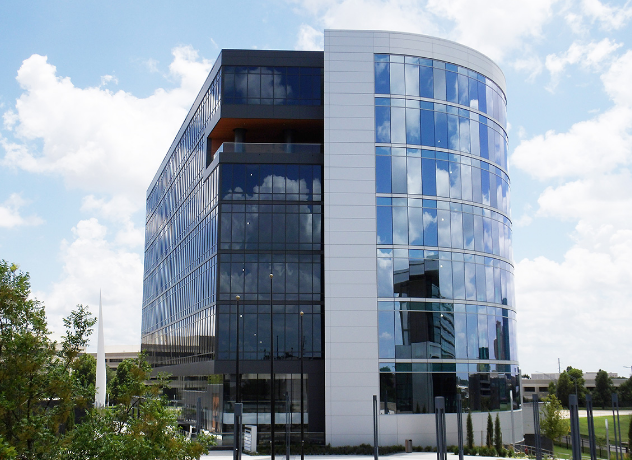
From commercial façades to architectural accents, metal composite material can help transform ordinary building surfaces into carefully detailed design elements. Understanding its construction, applications, benefits, and specification considerations can help project teams determine where this material fits within a building concept.
What Is Metal Composite Material?
Metal composite material is generally manufactured by bonding metal face sheets to a central core. The resulting panel combines the visual characteristics of metal with the structural advantages of composite construction.
Rather than relying on a thick solid-metal sheet, this layered approach can provide useful rigidity at a comparatively low weight. Different metals, core types, coatings, dimensions, and finishes may be available depending on the intended architectural application.
The exact composition matters because not every metal composite material offers identical performance characteristics.
Why Composite Construction Matters
Composite construction brings different materials together so each layer contributes useful properties to the finished panel. For architectural applications, this approach can provide several practical advantages.
A Balance of Weight and Rigidity
Weight is an important consideration when designing exterior wall assemblies. Heavy materials can increase handling demands and influence supporting systems.
Metal composite material provides a relatively lightweight solution while maintaining the rigidity required for many panel applications. Easier handling may also support more efficient fabrication and installation processes.
Smooth Architectural Surfaces
Contemporary architecture often emphasizes straight lines, defined joints, and uncluttered elevations. Composite panels can provide smooth surfaces that work particularly well with this design language.
Through thoughtful panel layouts, metal composite material can help establish scale and rhythm across a building façade.
Design Possibilities for Different Building Styles
Architectural materials should support creativity rather than unnecessarily restrict it. Composite panels can be fabricated in numerous configurations, giving designers flexibility when developing distinctive exterior features.
Creating Geometric Forms
Depending on the selected system, panels can be cut, routed, folded, and formed to accommodate corners, returns, reveals, and other details.
This makes metal composite material useful for projects featuring pronounced geometric shapes or transitions between different areas of a façade.
Designers can also vary panel orientation and dimensions to reinforce horizontal or vertical elements within the architecture.
Using Finish as a Design Element
Color is only one part of exterior design. Surface appearance, texture, reflectivity, and surrounding materials can all influence how a façade is perceived.
Different finishes available for metal composite material can help designers create subtle, coordinated elevations or stronger visual contrasts. Finish selection should consider both the architectural objective and anticipated environmental exposure.
Where Can Metal Composite Material Be Used?
Composite panels can serve more purposes than covering broad exterior walls. Depending on system requirements and panel specifications, they may be considered for several architectural applications.
Common possibilities include façade areas, entrance features, canopies, soffits, column covers, parapets, interior architectural elements, and decorative accents.
Metal composite material can also complement materials such as glass, masonry, concrete, and other metals. Combining surfaces thoughtfully can add visual depth while helping different areas of a building maintain their individual character.
Performance Should Guide Material Selection
Appearance attracts attention, but building materials must perform appropriately in their intended environment.
Consider Environmental Conditions
Exterior wall materials are regularly exposed to wind, rain, sunlight, moisture, temperature changes, and pollutants. These conditions should be evaluated when selecting the panel construction and surface finish.
The suitability of metal composite material therefore depends on where and how it will be installed.
Review Applicable Requirements
Building codes and performance standards can differ considerably between projects and jurisdictions. Requirements may relate to fire performance, wind resistance, structural attachment, weather management, and complete wall assemblies.
Design professionals should verify that the selected metal composite material and associated system satisfy all applicable project requirements.
Fabrication and Installation Matter
High-quality materials require equally careful execution. Panel dimensions, joint alignment, attachment methods, and transitions can significantly influence the appearance of a completed façade.
Accurate Planning Reduces Problems
Detailed drawings and early coordination allow architects, fabricators, engineers, and installers to address difficult areas before construction progresses.
Openings, corners, penetrations, roof transitions, and connections to other materials require particular attention. Proper planning helps ensure that metal composite material panels fit the intended design instead of requiring unnecessary field modifications.
Consistent installation also helps preserve the clean visual lines that make composite panel façades attractive.
Thinking Beyond Initial Appearance
Material selection should consider the full life of a building. Environmental exposure, cleaning practices, coating selection, accessibility, and inspection requirements can affect long-term appearance.
Appropriate maintenance procedures can help metal composite material retain its intended finish. Project teams should follow maintenance guidance appropriate to the selected panel and coating rather than using aggressive cleaning methods that could affect the surface.
See also: How to Manage Business Finances Smartly
Conclusion
Successful architectural materials need to satisfy both creative and practical demands. Metal composite material offers designers a combination of lightweight construction, smooth surfaces, fabrication flexibility, and broad architectural possibilities.
However, effective use requires more than choosing an attractive finish. Panel composition, applicable codes, environmental conditions, fabrication details, wall-system design, and installation quality all deserve careful consideration.
When properly specified and thoughtfully integrated into the overall building envelope, metal composite material can help create distinctive, contemporary architecture while providing the flexibility needed to turn complex design ideas into precisely executed building features.