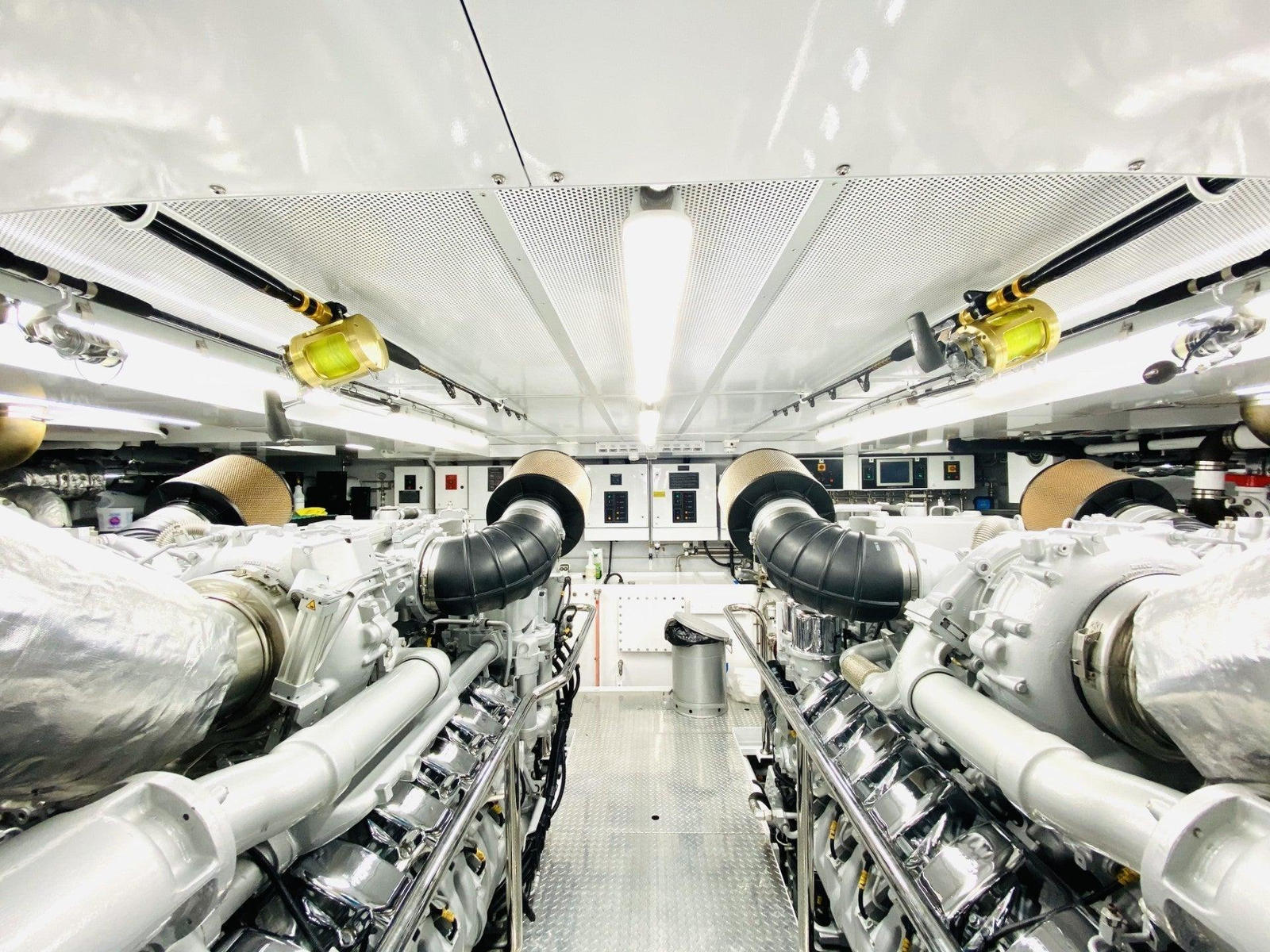
Marine Engine Room Lighting: Essential Considerations for Commercial Boats

A commercial vessel depends on its engine room for propulsion, electrical power, pumping systems, cooling equipment, and many other functions. Yet this space is often difficult to illuminate. Machinery creates shadows, temperatures can be high, moisture is common, and maintenance work may continue during night operations or poor weather.
Good marine engine room lighting allows crew members to inspect equipment, identify leaks, read gauges, carry out repairs, and move safely around the machinery. Selecting suitable fixtures requires more than choosing a bright lamp. Marine conditions place specific demands on the lighting system, from construction and ingress protection to electrical safety and maintenance.
Visibility Is a Working Requirement
An engine room is filled with pipes, valves, cables, tanks, motors, pumps, and moving machinery. Poor illumination can hide oil leaks, damaged components, loose connections, and warning indicators.
Lighting should provide enough uniform illumination across the main working areas rather than concentrating brightness in a few locations. Shadows behind machinery should be kept to a minimum, particularly around engines, generators, pumps, and control panels.
Different areas may also require different lighting levels. General overhead fixtures can illuminate walkways and machinery spaces, while additional task lighting can be installed near inspection points, electrical panels, gauges, and maintenance stations.
A well-planned arrangement also reduces glare. Excessive glare from a fixture can make gauges or polished metal surfaces difficult to read, creating another visibility problem.
Marine Construction Matters
Engine rooms expose lighting fixtures to conditions that ordinary commercial lights may not tolerate. Salt-laden air, condensation, vibration, heat, oil mist, and cleaning chemicals can gradually damage poorly protected equipment.
Marine-rated fixtures are designed with these conditions in mind. Housing materials, seals, lenses, mounting hardware, and electrical components should all be suitable for the vessel’s operating environment.
Corrosion resistance deserves particular attention. Fixtures installed on vessels may be exposed to humid or salty air for long periods. Corrosion-resistant housings and fasteners can help extend service life and reduce maintenance requirements.
The fixture should also be mechanically secure. Engine vibration and vessel movement can place repeated stress on fittings, brackets, and electrical connections.
Protection Against Water, Dust, and Contaminants
Engine rooms are not clean, dry environments. Water may enter during cleaning, maintenance, or equipment failure, while dust and oil residues can accumulate around machinery.
The fixture’s ingress protection rating should therefore match its installation location. A suitable IP rating indicates how well an enclosure protects internal components against solid particles and water.
The required level depends on the vessel, location, cleaning practices, and exposure. Fixtures placed near pumps, washdown areas, or other sources of moisture may require greater protection than those installed in relatively sheltered sections of the engine room.
Choosing protection based solely on appearance can lead to premature failures. The fixture should be selected according to the actual conditions it will face.
Heat Resistance and Thermal Management
Engine rooms can become considerably warmer than other parts of a vessel. Main engines, generators, exhaust systems, and other equipment release heat during operation.
LED fixtures are often suitable for marine applications because they consume less electricity than many traditional lighting technologies and can provide long operating life. However, LED performance still depends on proper thermal management.
The fixture’s rated operating temperature should be checked against the expected conditions at the installation point. A light positioned close to an exhaust component may face temperatures very different from those measured in the centre of the room.
Heat-resistant construction and appropriate installation clearances can help prevent premature component failure.
Vibration and Mechanical Strength
A lighting fixture mounted inside an engine room is exposed to continuous vibration. Engines and generators can transmit mechanical movement through decks, bulkheads, brackets, and mounting structures.
Fixtures intended for marine machinery spaces should therefore have secure mounting arrangements and construction capable of handling vibration. Electrical connections also need to remain secure over time.
Loose fittings can create more than a lighting problem. A damaged fixture or exposed connection can introduce an electrical hazard in a space containing fuel, lubricants, and other machinery.
For this reason, mounting hardware should be inspected during routine maintenance, particularly on vessels with high engine hours or substantial vibration.
Electrical Safety on Commercial Vessels
Marine electrical systems have specific requirements, and lighting equipment must be compatible with the vessel’s electrical supply. Voltage, frequency, wiring arrangements, switching systems, and protection devices should all be considered before installation.
Fixtures should be selected according to the vessel’s applicable electrical standards and classification requirements. Depending on the vessel and installation area, additional requirements may apply to equipment intended for hazardous locations.
Emergency lighting also deserves separate consideration. If the primary electrical supply fails, designated emergency lights may be required to illuminate escape routes, access points, machinery controls, and other critical areas.
The lighting system should be planned alongside the vessel’s wider electrical and safety systems rather than treated as an isolated installation.
Energy Consumption and Operating Costs
Commercial vessels can operate for long periods, so lighting energy consumption can affect overall operating costs. An engine room may contain numerous fixtures running for many hours each day.
LED marine lighting can reduce electrical demand compared with older lighting technologies while providing strong illumination and a long service life. Lower energy consumption can also reduce the load placed on onboard generators or auxiliary power systems.
The actual savings depend on fixture wattage, operating hours, electrical system efficiency, and the number of lights installed. A practical assessment should consider both energy use and replacement requirements over the expected service life.
Maintenance Access Should Influence Placement
A fixture may perform well technically but still be inconvenient if crew members cannot access it safely for inspection or replacement.
Engine room lighting should be positioned so that routine maintenance can be performed without unnecessary exposure to moving machinery, hot surfaces, or difficult access points. Fixtures installed above equipment may require additional consideration for ladders, platforms, and maintenance clearance.
Sealed fixtures can also simplify cleaning by reducing areas where dirt and oil can enter the housing. Lenses should remain easy to inspect so that accumulated grime does not significantly reduce light output.
Keeping spare fixtures, lenses, drivers, or other replaceable components available can also reduce downtime when repairs are required.
Lighting Should Support Inspection Work
Engine room lighting has a role beyond general visibility. Crew members regularly inspect belts, hoses, filters, valves, gauges, electrical connections, pumps, and fluid levels.
Colour rendering can therefore matter, particularly during inspections where the appearance of oil, coolant, wiring, warning indicators, or other components provides useful information. A fixture with suitable colour-rendering characteristics can make these visual checks easier.
Portable inspection lights can supplement fixed lighting in confined areas. Rechargeable marine work lights are useful for reaching behind machinery or underneath equipment where permanent fixtures cannot provide sufficient coverage.
Plan the System Around the Vessel
Every commercial boat has a different engine room layout. A small workboat, tug, fishing vessel, passenger craft, and large commercial ship can have very different lighting requirements.
Before installation, the machinery arrangement, access routes, maintenance areas, electrical supply, environmental conditions, emergency requirements, and relevant marine regulations should be reviewed.
A lighting plan can identify dark zones, glare sources, maintenance obstacles, and areas that need dedicated task illumination. It can also prevent unnecessary over-lighting, which adds cost without improving working conditions.
Choosing Lighting for Long-Term Reliability
Marine engine room lighting should be selected as part of the vessel’s safety and maintenance strategy. Brightness is only one consideration. Protection against moisture and contaminants, resistance to vibration and heat, electrical compatibility, corrosion resistance, accessibility, and emergency requirements all influence the right choice.
A properly specified system gives crew members clear visibility around machinery while reducing avoidable lighting failures. For commercial operators, that combination can make routine inspections and maintenance safer and more efficient, especially during the demanding conditions of continuous vessel operation.