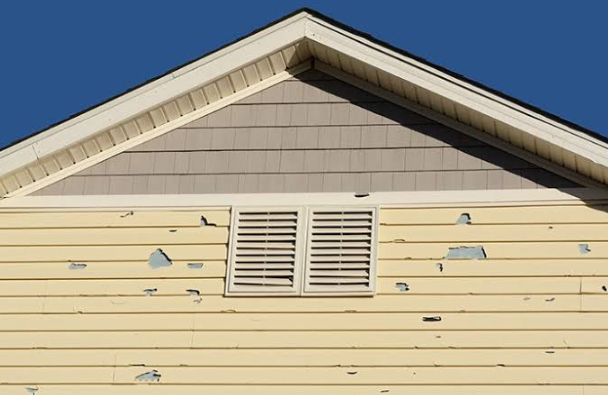
What Does Hail Damage Look Like on a House?

Hailstorms can strike with little warning, leaving behind a trail of destruction that is often difficult to spot at first glance. Homeowners may not realize the extent of the damage until weeks or even months later, when leaks or structural issues begin to appear. Understanding what hail damage looks like on a house is crucial for timely repairs and maintaining the integrity of your property. From subtle dents in siding to more obvious cracks in roofing materials, hail can impact various parts of your home in different ways. Recognizing these signs early can help prevent more costly repairs down the road.
Signs of Hail Damage to Expect
How Hail Affects Different Parts of a House
Hail can impact nearly every exterior surface of a house, but the most commonly affected areas are the roof, siding, windows, and gutters. On the roof, hailstones can cause bruising, cracking, or even puncturing of shingles, especially if the hail is large or falls with significant force. Asphalt shingles may show dark spots where granules have been knocked away, while wood shingles can split or break. Metal roofs might display dents or dings, which, although often cosmetic, can sometimes lead to rust or further deterioration if not addressed. Siding can also suffer from hail, with vinyl siding showing cracks or holes and aluminum siding displaying dents. Windows are vulnerable to cracks or shattered glass, and window frames may be dented or chipped. Gutters and downspouts can become dented or loosened, affecting their ability to channel water away from the house. Each of these issues can compromise the protection your home offers, making it important to inspect all exterior surfaces after a hailstorm.
See also: How to Build a Timeless Wardrobe That Never Goes Out of Style
Recognizing Roof Damage from Hail
The roof is typically the first line of defense against hail, and as such, it often bears the brunt of the storm. Hail damage on a roof can be subtle or severe, depending on the size and velocity of the hailstones. One of the most common signs is the loss of granules from asphalt shingles, which can appear as dark, bare spots on the roof. These areas are more susceptible to UV damage and water infiltration, which can lead to leaks over time. Shingles may also be cracked, bruised, or even missing entirely after a particularly intense storm. Wood shingles can split along the grain, while slate or tile roofs may show chips or cracks. In some cases, the damage may not be immediately visible from the ground, making a close inspection necessary. Homeowners in areas prone to hail should consider having their roofs checked regularly, especially after a storm. If you notice any of these signs, contacting a Roofing Company Fort Wayne can help you assess the extent of the damage and determine the best course of action for repairs.
Siding and Window Damage from Hail
Siding and windows are also vulnerable to hail, and the damage can vary depending on the materials used in your home’s construction. Vinyl siding may crack, chip, or even break off in pieces when struck by large hailstones. These cracks can allow moisture to penetrate the walls, leading to mold growth or structural issues over time. Aluminum siding, while more durable, can be dented or scratched, which not only affects the appearance of your home but can also reduce its resale value. Windows are at risk of being chipped, cracked, or shattered by hail. Even if the glass remains intact, the frames can be dented or warped, compromising the seal and allowing drafts or water to enter. After a hailstorm, it is important to inspect all sides of your house, as wind can cause hail to strike at unusual angles. Promptly addressing any damage to siding or windows can help prevent further issues and maintain your home’s energy efficiency.
Gutter and Downspout Issues
Gutters and downspouts play a crucial role in directing water away from your home’s foundation, but they are often overlooked when assessing hail damage. Hail can dent or bend gutters, causing them to lose their shape and effectiveness. In severe cases, gutters may become detached from the house, leading to water pooling around the foundation and increasing the risk of basement flooding. Downspouts can also be dented or clogged with debris from the storm, further impeding water flow. Even minor dents can create areas where water collects, leading to rust or corrosion over time. Regularly checking your gutters and downspouts after a hailstorm can help you catch these issues early and avoid more significant water damage to your home. If you notice any problems, it is important to repair or replace damaged sections promptly to ensure your drainage system continues to function properly.
Quick Tips for Spotting Hail Damage
After a hailstorm, take a walk around your property and look for visible signs of damage such as dents, cracks, or missing materials. Pay close attention to areas that are most exposed to the elements, including the roof, siding, windows, and gutters. If you are unsure whether your home has sustained hail damage, consider scheduling a professional inspection to ensure nothing is overlooked.
Why Timely Repairs Matter
Addressing hail damage as soon as it is discovered is essential for protecting your home from further harm. Even minor damage can lead to significant problems if left untreated, such as water leaks, mold growth, or structural deterioration. Insurance companies may also have deadlines for filing claims related to storm damage, so prompt action can help ensure you receive the coverage you need. Delaying repairs can result in higher costs down the line, as small issues can quickly escalate into major repairs. Taking the time to inspect your home after a hailstorm and addressing any damage promptly can save you money and help maintain the value and safety of your property.
Conclusion
Hail damage can take many forms, from subtle dents and cracks to more obvious signs like missing shingles or shattered windows. Recognizing what hail damage looks like on a house is the first step in protecting your investment and ensuring your home remains safe and comfortable. Regular inspections after storms, prompt repairs, and attention to all exterior surfaces can help prevent minor issues from becoming major headaches. By staying vigilant and addressing damage quickly, homeowners can minimize the impact of hail and maintain the integrity of their property for years to come.