Whole House Water Filtration vs Under-Sink Filters: Which Is Better for Your Home?

When homeowners start looking for ways to improve their water quality, one of the first decisions they face is choosing between a whole house water filtration system and an under-sink water filter.
Both options are designed to reduce unwanted contaminants, but they serve different purposes and offer distinct advantages. Understanding how each system works, what it filters, and where it provides protection can help you choose the right solution for your household’s needs.
The best choice depends on your water quality, daily water usage, budget, and whether you want cleaner water at a single tap or throughout your entire home.
What Is the Difference Between a Whole House Water Filtration System and an Under-Sink Filter?
A whole house water filtration system is installed where the main water line enters your home. This means every water outlet, including kitchen faucets, bathroom sinks, showers, bathtubs, washing machines, and outdoor taps, receives filtered water before it reaches your plumbing.
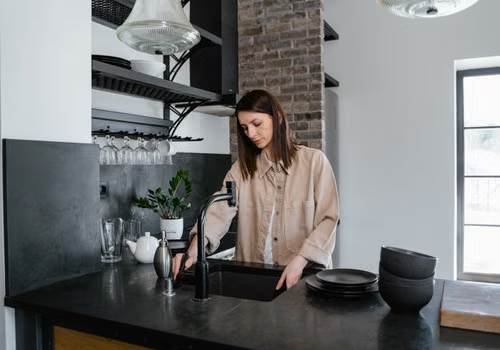
An under-sink filter, on the other hand, is installed beneath a single sink, typically in the kitchen. It filters water only at that specific faucet, making it ideal for drinking and cooking but not for other household uses.
The primary difference is coverage. Whole house systems protect the entire home’s water supply, while under-sink filters focus on one location.
How Does a Whole House Water Filtration System Work Throughout Your Home?
A whole house water filtration system treats water before it flows through your plumbing network.
Depending on the system, it may include multiple filtration stages designed to reduce sediment, chlorine, rust, volatile organic compounds (VOCs), and other contaminants. Common filtration stages include:
- Step 1: Water enters the main filtration system as it flows from the municipal supply or private water source into your home’s main water line before reaching any taps or appliances.
- Step 2: Sediment filtration captures larger particles such as sand, silt, rust, dirt, and other debris that could clog pipes, damage fixtures, or reduce the effectiveness of later filtration stages.
- Step 3: Activated carbon filtration reduces chlorine, unpleasant tastes, odours, and many volatile organic compounds (VOCs), resulting in fresher water for drinking, cooking, and bathing.
- Step 4: Specialty filtration media (where required) targets water issues specific to your property, such as excess iron that causes staining, sulfur that creates rotten egg odours, heavy metals, or other naturally occurring contaminants identified through water testing.
- Step 5: UV purification (optional) exposes water to ultraviolet light to help neutralise bacteria, viruses, and other microorganisms without adding chemicals. This stage is commonly recommended for homes using well water or untreated water sources.
- Step 6: Filtered water is distributed throughout your home via the existing plumbing network, supplying cleaner water to every tap, shower, toilet, washing machine, dishwasher, and outdoor connection.
Because every outlet receives treated water, homeowners benefit from cleaner water for drinking, cooking, bathing, laundry, cleaning, and helping protect plumbing fixtures and household appliances over the long term.
Read Also: 5 Ways to Improve Privacy in Your Home Office
What Does an Under-Sink Water Filter Do Best?
An under-sink water filter provides highly filtered water directly from one faucet, making it an excellent choice for drinking and food preparation.
Many under-sink systems use advanced filtration technologies such as activated carbon or reverse osmosis to target specific contaminants. Since they treat only a small portion of the home’s daily water use, they can deliver high-quality drinking water without filtering water used for showers, toilets, or appliances.
For households primarily concerned about drinking water quality, an under-sink system can be a practical solution.
Which Water Filtration System Removes More Contaminants?
The answer depends on the type of filtration technology rather than the installation location.
A whole house water filtration system is generally designed to improve overall household water quality by reducing contaminants such as:
- Chlorine
- Sediment
- Rust
- Sand
- Certain chemicals
- Unpleasant tastes and odors
Many under-sink systems, especially reverse osmosis models, can reduce additional contaminants, including dissolved solids, lead, and certain heavy metals.
Some homeowners install both systems to achieve comprehensive filtration throughout the home while providing highly purified drinking water at the kitchen sink.
Why Is a Whole House Water Filtration System Better for Families?
Families often use water for much more than drinking. Every shower, load of laundry, dishwasher cycle, and handwashing routine depends on the quality of household water. A whole house system offers several benefits:
- Filtered water from every faucet
- Reduced chlorine exposure while showering
- Cleaner water for bathing children
- Better protection for appliances
- Reduced sediment buildup in plumbing
- Improved water quality throughout the home
For larger households with high daily water consumption, whole-house filtration provides consistent water quality across multiple fixtures.
When Is an Under-Sink Filter the Better Choice?
An under-sink filter may be the right option when homeowners have limited budgets or only want to improve drinking water quality. It works well for:
- Apartments
- Rental properties
- Small households
- Homes with good municipal water quality
- People primarily concerned about drinking and cooking water
Because installation is localized, maintenance costs are often lower than those of a whole-house filtration system.
What Factors Should You Consider Before Choosing a Water Filtration System?
Selecting the right system involves evaluating your home’s unique water needs. Important considerations include:
- Water source (municipal or well water)
- Household size
- Water quality test results
- Daily water usage
- Budget
- Installation requirements
- Filter replacement schedule
- Long-term maintenance costs
A professional water analysis helps identify contaminants and ensures you invest in the most appropriate filtration solution.
Can You Combine a Whole House Water Filtration System with an Under-Sink Filter?
Yes. Many homeowners choose to combine both systems for maximum protection.
A whole house water filtration system improves water quality throughout the home by reducing sediment, chlorine, and other common contaminants before water reaches every fixture. An under-sink reverse osmosis or advanced drinking water filter then provides an additional level of purification at the kitchen faucet.
This combination offers cleaner water for bathing, laundry, and household use while delivering exceptionally filtered drinking water for cooking and beverages.
Why Choosing the Right Water Filtration System Improves Long-Term Water Quality?
Choosing between a whole house water filtration system and an under-sink filter depends on your household’s priorities. If you want cleaner water from every faucet, better protection for plumbing and appliances, and improved water quality for bathing and cleaning, a whole house system is often the more comprehensive solution.
If your primary concern is drinking water at a single location, an under-sink filter may meet your needs with a lower upfront investment. For homeowners seeking the highest level of water quality throughout the home, combining both systems provides broad filtration and enhanced drinking water purification, making it a practical long-term investment in healthier, cleaner water.