Flash Point Tester Price: Key Factors That Influence Laboratory Equipment Selection

Flash point testing is an important laboratory procedure used to evaluate the temperature at which a material produces enough vapor to ignite under specified test conditions. Laboratories working with fuels, oils, chemicals, solvents, and related materials often rely on this measurement for quality control, material characterization, research, and safety-related assessments.
When evaluating equipment, many buyers begin by researching flash point tester price. However, cost alone does not determine whether an instrument is suitable for a laboratory. Testing method, operating range, automation, safety features, sample requirements, and long-term usability can all influence the overall value of a flash point testing system.
What Determines Flash Point Tester Price?
Flash point testing instruments can vary considerably in design and functionality. Two testers intended for similar applications may offer different levels of automation, temperature control, data handling, and operator assistance.
Understanding these differences helps laboratories evaluate equipment based on actual testing requirements rather than simply selecting an instrument according to initial cost.
See also: Montessori Preschool Near Me: How Practical Learning Supports Everyday Life Skills
Testing Method and Instrument Design
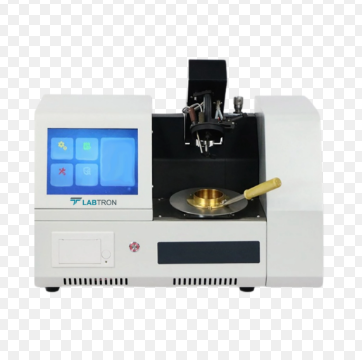
One major factor affecting flash point tester price is the testing method supported by the equipment. Flash point testing may involve open-cup or closed-cup configurations, depending on the material and required procedure.
Closed-cup systems restrict vapor within the test chamber, while open-cup configurations expose the sample differently during heating. Because test conditions affect the resulting flash point, laboratories should select equipment compatible with the method required for their samples and procedures.
Automation Can Affect Equipment Cost
Laboratories processing many samples may benefit from automated operating features. Depending on instrument design, automation may assist with heating control, ignition application, endpoint detection, result recording, or other stages of testing.
More automated systems can reduce repetitive operator involvement and help standardize routine procedures. However, laboratories with occasional testing requirements may not need the same level of automation.
Therefore, comparing flash point tester price should include an assessment of how frequently the equipment will be used and which functions provide meaningful benefits to the laboratory.
Manual Versus Automated Operation
Manual equipment may require technicians to control more steps throughout the test. This approach can work effectively when trained personnel follow established procedures carefully.
Automated systems can simplify repetitive tasks and reduce some operator-dependent variation. For high-throughput environments, the additional efficiency may become an important consideration when evaluating long-term equipment value.
Temperature Range and Control Matter
Accurate temperature management is fundamental to flash point testing. The instrument must heat the sample according to the required procedure while allowing technicians to monitor conditions consistently.
Equipment designed for broader temperature ranges or more demanding applications may incorporate additional temperature-control capabilities.
When comparing flash point tester price, laboratories should verify that the available operating range matches the materials they routinely expect to test. Selecting unnecessary capabilities can increase complexity, while choosing an insufficient range may limit future testing.
Consider Sample Types and Laboratory Workload
The appropriate tester depends heavily on the samples entering the laboratory. Petroleum materials, lubricants, solvents, coatings, and other substances may require different test conditions.
Before selecting equipment, laboratories should identify their most common sample categories and estimate testing frequency.
High-Volume Testing Environments
A laboratory conducting numerous tests each day may prioritize workflow efficiency, repeatability, straightforward operation, and reduced manual intervention.
In this situation, evaluating flash point tester price should include the amount of technician time required per analysis. Equipment that streamlines routine testing may provide operational advantages over a simpler system requiring continuous attention.
Occasional Testing Requirements
Facilities performing flash point measurements less frequently may place greater emphasis on ease of setup, storage, maintenance, and straightforward controls.
The most suitable instrument is not necessarily the one with the greatest number of functions. It is the equipment that matches actual laboratory needs without creating unnecessary operational complexity.
Look Beyond the Initial Purchase Decision
Equipment evaluation should consider long-term laboratory use. Maintenance requirements, consumable needs, cleaning procedures, calibration practices, operator training, and expected workload all contribute to overall ownership considerations.
A low initial flash point tester price may be less attractive if the equipment creates inefficient workflows or does not support the laboratory’s required testing procedure.
Similarly, advanced functionality has limited value when those capabilities are unlikely to be used.
Prioritize Reliable Testing Practices
Regardless of instrument configuration, reliable flash point measurements depend on proper sample preparation and consistent procedures.
Technicians should keep testing components clean, follow appropriate heating conditions, handle samples carefully, and document results according to laboratory requirements. Routine equipment checks also help identify potential problems before they affect analytical results.
Questions to Ask Before Selecting a Flash Point Tester
Laboratories can simplify equipment evaluation by defining their requirements in advance. Consider the required test method, typical sample characteristics, expected testing volume, temperature range, available workspace, operator experience, and preferred level of automation.
These considerations provide useful context when comparing flash point tester price across different equipment configurations.
An instrument that aligns closely with daily laboratory procedures can often deliver greater practical value than one selected primarily because of its initial cost.
Conclusion
Flash point testing equipment should be evaluated as a long-term laboratory investment rather than solely as a purchase based on cost. Testing method, temperature capabilities, automation, sample workload, maintenance requirements, and operator needs can all influence which system is appropriate.
When researching flash point tester price, laboratories should first establish their analytical requirements and compare equipment based on suitability, reliability, and workflow efficiency. A carefully selected tester can support consistent measurements while helping laboratory personnel perform routine flash point analysis with greater confidence.