Elevating Interiors: The Rise of Wall Panels in Contemporary Spaces

When it comes to modern interior design, the choice of materials can dramatically impact the aesthetics and functionality of a space. One popular solution is the use of a wall panel in Singapore, a versatile decorative element that can be utilised in various environments. These panels, which have gained significant popularity in recent years, serve both aesthetic and practical purposes while offering an environmentally friendly option for homeowners and businesses alike.
The Advantages of Wall Panels
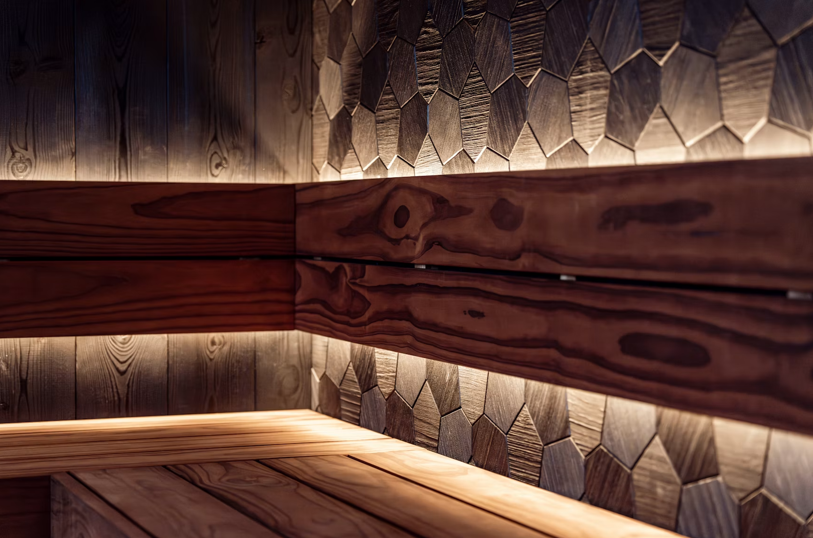
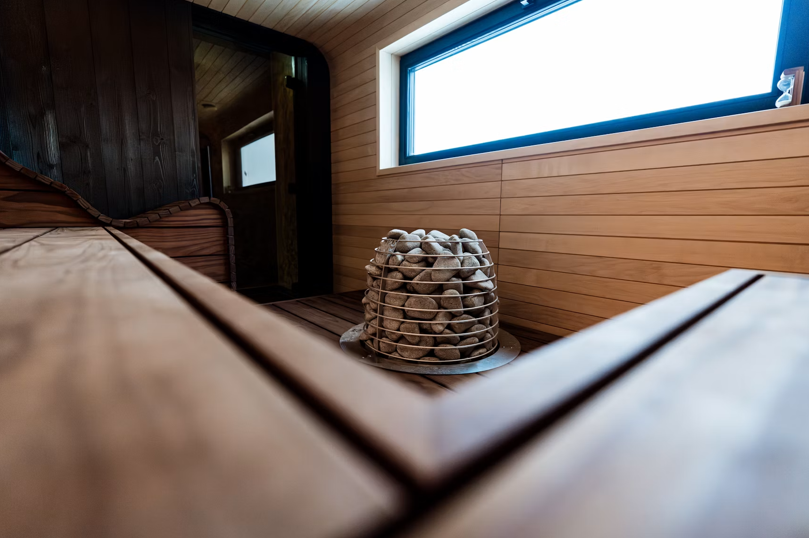
Incorporating wall panels into an interior design plan comes with numerous benefits. First and foremost, wall panels provide a unique opportunity to bring texture, colour, and dimension into a space without overpowering the existing decor. Available in a myriad of materials such as wood, metal, and composites, wall panels can be customised to suit particular style preferences, whether it’s a rustic wooden finish or a sleek, modern metallic sheen.
Acoustic and Thermal Benefits
Moreover, wall panels offer practical advantages, including improved acoustics and enhanced thermal insulation. In busy urban environments, controlling noise levels indoors is a crucial element of design. Wall panels can absorb sound, reducing the echo and improving the overall acoustics of a room. Additionally, they often have insulating properties that help to maintain a consistent indoor temperature, potentially reducing energy costs by improving a building’s thermal performance.
Environmental Considerations
As sustainability becomes an ever-increasing priority, the environmental impact of building materials is a significant consideration for architects and homeowners. Many wall panels are designed with sustainability in mind, using recycled materials or wood from responsibly managed forests. This not only reduces the ecological footprint but also aligns with the growing demand for ethically sourced products.
Ease of Installation
Another critical advantage of wall panels is their ease of installation. Unlike traditional finishes such as wallpaper or paint, which may require extensive preparation and drying time, panels can often be quickly and efficiently affixed to a variety of substrates. This makes them an excellent choice for both new constructions and renovation projects where time and disruption to the existing space are considerations.
Design Flexibility
Wall panels also offer unparalleled design flexibility. They are available in an array of finishes, patterns, and colours, enabling designers to create customised looks that can transform mundane walls into focal points. Some panels even come with interchangeable sections, allowing for easy reconfiguration to update the look of a space as trends and tastes evolve.
Durability and Maintenance
The durability of wall panels is another factor contributing to their growing popularity. Unlike some other wall finishes, panels are resistant to scratches and dents, making them an ideal choice for high-traffic areas such as commercial establishments, schools, and public buildings. Furthermore, maintenance is often straightforward, with many materials requiring nothing more than a simple wipe with a damp cloth to keep them looking pristine.
Diverse Applications
The applications of wall panels extend across a wide array of contexts. In residential settings, they can be employed in feature walls, ceilings, or even as a creative headboard alternative. Retail spaces frequently use wall panels to create impactful display backdrops that draw focus to specific products. In offices, wall panels can define meeting areas or add interest to otherwise plain walls, promoting a professional and engaging environment.
Modern Material Innovations
Advancements in material technologies have further expanded the possibilities for wall panels. High-performance composites and innovative manufacturing techniques have led to the development of products that are lighter, more durable, and more cost-effective than traditional options. These innovations enable wall panels to meet the increasingly complex needs of modern architectural projects without sacrificing quality or aesthetic appeal.
See also: Best Ingrown Toenail Treatment in Singapore for Fast Relief
The Influence of Technology
Technology continues to influence the design and functionality of wall panels. Digital printing allows for the creation of intricate designs and photographic-quality images directly onto panel surfaces, offering limitless possibilities for customisation. These advancements ensure that wall panels remain a relevant and adaptable solution for modern interiors, capable of meeting both current and future design demands.
Health and Safety Considerations
In addition to their aesthetic and functional benefits, wall panels can contribute to healthier indoor environments. Many modern panels are designed to be free from volatile organic compounds (VOCs) and other harmful chemicals, thereby promoting better indoor air quality. For spaces such as hospitals and schools, which have specific health and safety considerations, these qualities make wall panels an advantageous choice.
Future Trends
As design trends continue to evolve, wall panels are likely to remain at the forefront of interior design. Their adaptability and diverse applications make them well-suited to a variety of styles, from the minimalist and industrial to the classic and elegant. Innovative designers are increasingly exploring the potential of wall panels to incorporate new technologies such as smart functionality, lighting integration, and interactive surfaces, further expanding their appeal and utility.
In conclusion, the demand for wall panels continues to grow as they offer a balanced harmony between chic aesthetics, practical benefits, and sustainability. With a commitment to versatility and quality, wall panels are sure to have a lasting impact on the world of interior design. Discover the versatility and elegance of wall panels firsthand at wall panels in Singapore and join the industry in redefining space aesthetics for the modern era.