Are Laser Treatments Suitable for Everyone? Skin Types, Treatment Goals, and Safety Considerations

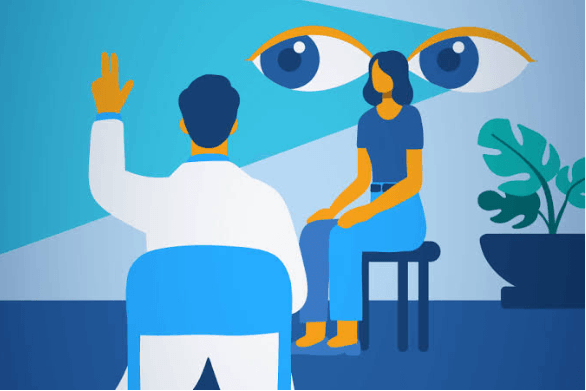
Laser treatments work for many people, but your skin type, medical history, and goals decide their suitability. A professional skin assessment and patch test help experts choose the right settings and prevent bad reactions. Apart from that, you will be required to delay treatment if you are pregnant, have a skin infection, or have had recent sun exposure.
Key Takeaways
- Expert practitioners use a scale to pick the right laser settings for safe results on all skin tones.
- Individuals with pregnancy, recent tanning, or certain medications should be cautious.
- A consultation and patch test check for bad reactions before full sessions begin.
- Protect the treated skin from heat and sun with sunscreen to prevent complications.
Laser treatments have completely changed the beauty and aesthetic industry. The process is quick, precise, and widely available.
From helping with hair reduction to treating uneven skin tone, laser is here to change, or better improve, all treatments. That being said, popularity does not always mean a treatment is suitable for every person.
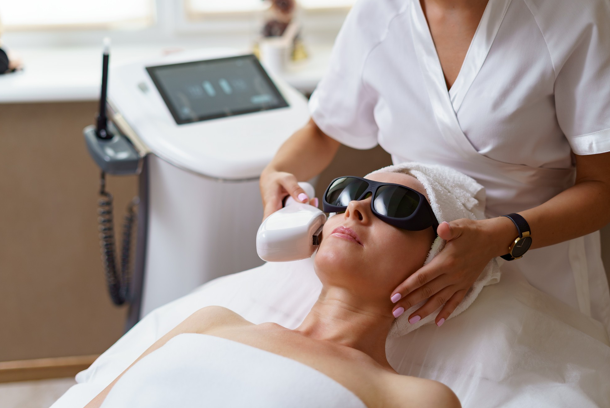
Lasers use light energy to target hair, pigment, or specific skin structures; this is why any mistake in this can have a huge impact. Now, the question is: how do you recognise if laser hair removal or other laser treatments are right for you?
Well, in this blog, we will answer it for you. We will explain how skin types respond, how goals shape the plan, and which safety checks protect you.
How Skin Type Affects Suitability
Skin type is the first thing that every practitioner assesses. Most clinics grade skin on the Fitzpatrick scale, which runs from type I (very fair) to type VI (deep brown or black). This is what it looks like:
| Skin Type | Common Traits | Key Consideration |
| I to II | Very fair, burns easily | Sensitive to heat and sun damage |
| III to IV | Light brown to olive | Pigment changes are possible if settings are wrong |
| V to VI | Brown to deep brown | Needs a suitable laser and an experienced practitioner |
Table: Important considerations based on skin type.
Remember that the laser must be matched to the skin. Choosing wrong settings can cause burns or patchy colour changes.
This is exactly why a skin assessment comes before any session for anyone planning laser hair removal in London.
Matching Laser Treatments to Your Goals
Different goals call for different lasers. This is why expert clinics always offer several types, and each one works in its own way. These types include:
Hair Reduction
Excessive body hair might be an issue for many people. During the process, lasers target the pigment in the hair. Dark, coarse hair responds best to the process, but light, grey, or red hair requires more sessions.
However, irrespective of the hair type, results build over several sessions, not one. A practitioner should explain this clearly.
Pigmentation Concerns
There are many things that might cause pigmentation. This includes sun damage, hormones, and past inflammation, but laser treatment can solve it all. Each type reacts differently to light. Clients of laser pigmentation removal in London ask about may suit sunspots and age spots well. Melasma, however, can worsen with heat. A correct diagnosis therefore comes first.
Unwanted Tattoos
Laser tattoo removal in London is gaining popularity among those who want to remove the tattoos they regret. This breaks ink into tiny particles, working on fading it. It usually takes some time for the body to clear the ink over time.
Here’s what you need to know: Most tattoos need several sessions, which should be spaced weeks apart. Apart from that, dark inks fade more easily. But bright colours like green or yellow tend to take longer.
Who Should Be Cautious?
Laser treatments are generally safe for all. However, this might not be right for a few people, and they are the ones who should be cautious. This includes:
- Pregnancy or breastfeeding
- A recent tan or sunburn
- Photosensitising medicines or recent isotretinoin use
- Active infection, cold sores or eczema in the area
- A history of keloid or raised scarring
- Undiagnosed or suspicious skin lesions
Remember to always share your full medical history. Apart from that, supplements and strong skincare products matter too.
Key Safety Considerations
The safety of a treatment depends on careful steps. Each one of the following considerations is designed to lower the risk:
Patch Testing
A small area is treated first. The site is then watched for a set time. This shows how your skin reacts. It is a vital step for individuals planning for laser pigmentation removal in London, especially those with darker or reactive skin.
Consultation and Consent
A proper consultation covers your health, skin, and expectations. So, you must ask these questions:
- Is my skin type suitable for this laser?
- What results are realistic?
- What are the risks and side effects?
- Who will perform the treatment?
Remember that written consent should be signed before you begin. This protects you at every step of the process.
Sun Protection
Sun exposure is the biggest that raises the risk before and after treatment. This is why experts always suggest that individuals use a broad-spectrum SPF.
However, this matters most right after laser pigmentation removal treatments are completed. Sun exposure increases the risk of the pigment reappearing, which is why staying indoors for some time is a must.
What to Expect Afterwards
Laser treatment might result in a few side effects.
Generally, most individuals experience mild redness or swelling, which settles within days.
But here’s what you need to remember: temporary redness often follows right after the sessions of laser hair removal in London, and it is okay. But blisters, severe pain, or spreading redness are not common and require immediate expert intervention.
However, good aftercare plays an important role, and it also helps with healing. This is why you must:
- Avoid heat, saunas, and hot showers for a short time.
- Do not pick or scratch the area.
- Moisturise the skin gently.
- Stay away from sun exposure.
See also: Spousal Support Lawyer: Understanding Support Rights and Responsibilities in Ontario
In Summation
Laser treatments are effective, designed to offer visible results. However, the process isn’t universal and might not suit everyone.
So, before you start exploring the options oflaser hair removalor laser pigmentation removal in London, it is important that you start with an honest assessment. Here’s what we suggest: ask questions, complete a patch test, and follow aftercare closely. Doing these simple things will be enough to ensure you get the results you are looking for.
Confused if Laser is Right for You?
Clear communication determines suitability. So, you should always book a consultation with a qualified practitioner and maintain clarity.