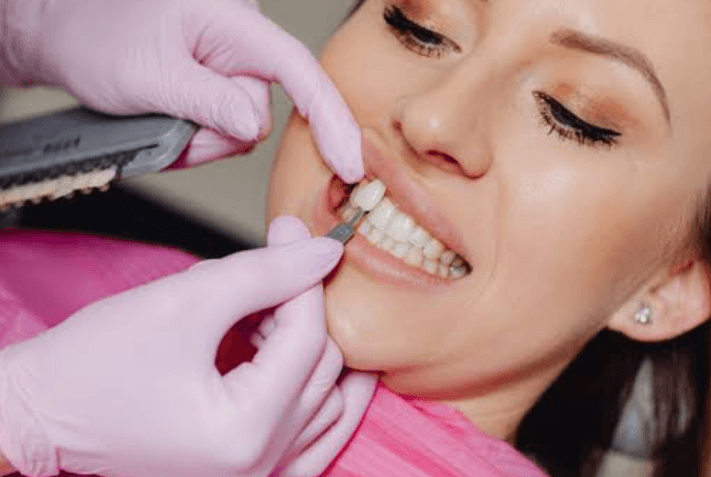
Dental Veneers Teeth: A Practical Guide to Improving Your Smile

A smile can influence the way you feel when speaking, laughing, or meeting someone new. When discoloration, small gaps, uneven edges, or minor imperfections affect that confidence, veneers may be one option worth exploring. People researching dental veneers teeth often want to know what veneers can change, how treatment works, and whether they are suitable for their particular smile.
Veneers are not a one-size-fits-all solution. The condition of your natural teeth, gums, bite, and cosmetic goals all influence whether this approach may be appropriate. Understanding the process before making a decision can help you develop realistic expectations.
What Are Dental Veneers Teeth Treatments Designed to Address?
Dental veneers teeth treatment generally focuses on improving the visible surfaces of selected teeth. Thin restorations are carefully planned to alter certain aspects of a tooth’s appearance while working with the overall smile.
Veneers may be considered when someone wants to address concerns such as uneven tooth shape, persistent discoloration, minor gaps, worn edges, or small differences in tooth size.
However, cosmetic concerns should always be evaluated alongside oral health. Improving appearance works best when the underlying teeth and gums provide a healthy foundation.
Veneers Are Not Appropriate for Every Concern
While dental veneers teeth treatment can address several aesthetic issues, veneers cannot solve every dental problem. Significant tooth decay, active gum concerns, or certain bite problems may require attention before cosmetic treatment is considered.
Likewise, severely misaligned teeth may need a different approach. A thorough examination helps determine whether veneers match both your cosmetic expectations and clinical needs.
Smile Planning Goes Beyond Choosing a Shade
People sometimes assume veneer treatment mainly involves making teeth appear whiter. In reality, creating a balanced smile involves several details.
The shape, width, length, position, and proportions of visible teeth can all affect the final appearance. The relationship between the teeth, gums, and lips may also be considered during planning.
For dental veneers teeth treatment to look natural, these elements should work together rather than drawing attention to individual restored teeth.
Natural Appearance Requires Balance
Extremely bright or perfectly identical teeth are not necessarily the goal for every person. Natural smiles often contain subtle differences in shape and proportion.
A personalized approach considers facial features and existing teeth when determining the desired appearance. Discussing expectations clearly before treatment can help ensure that your goals are understood.
Why Oral Health Comes Before Cosmetic Changes
Healthy teeth and gums are an important starting point for cosmetic dental treatment. If decay, gum inflammation, or other concerns are present, they may need to be addressed first.
This is particularly important when considering dental veneers teeth because cosmetic improvements should support, rather than distract from, long-term oral health.
Patients who want to explore their options can arrange a cosmetic dental consultation to have their teeth evaluated and discuss which concerns they would like to improve.
What Happens During the Veneer Planning Process?
The process typically begins with a detailed conversation about your smile. You may be asked which teeth concern you and what type of change you hope to achieve.
Next, the teeth, gums, and bite can be examined. This assessment helps determine whether dental veneers teeth treatment is appropriate and which teeth may benefit from cosmetic modification.
Preparation Depends on Individual Needs
The amount of preparation required can vary. Factors such as existing tooth position, shape, enamel condition, and desired result can influence the approach.
This is another reason personalized assessment is important. Two people seeking similar cosmetic improvements may require very different treatment plans.
How Many Teeth Should Be Considered?
There is no standard number of teeth that must receive veneers. Some patients may be concerned about one visible tooth, while others want to improve several teeth that show prominently when smiling.
When planning dental veneers teeth treatment, the goal is usually to create visual harmony. The teeth being considered should blend naturally with untreated neighboring teeth.
Smile width, tooth proportions, and individual goals can all help determine how extensive treatment may need to be.
Maintaining Veneers and Natural Teeth
Cosmetic restorations still require consistent oral hygiene. Brushing and cleaning between the teeth remain essential because the natural tooth structure and surrounding gums still need protection.
Routine dental visits are also valuable for monitoring both restorations and general oral health.
Everyday Habits Can Make a Difference
Certain habits can place unnecessary stress on natural teeth and restorations. Biting hard objects, using teeth to open packaging, or frequently chewing extremely hard items can increase the risk of damage.
If you grind or clench your teeth, mention it during your consultation. Bite-related habits may need to be considered when planning dental veneers teeth treatment.
Ask Questions Before Making a Decision
A cosmetic consultation should give you enough information to understand the proposed changes. Ask why veneers are being considered, whether alternative approaches may suit your concerns, and what preparation could be involved.
You should also discuss expected maintenance and how the proposed changes may affect the appearance of your overall smile.
Taking time to understand the process can help you make a decision based on your actual dental needs rather than appearance alone.
See also: How to Manage Business Finances Smartly
Conclusion
Dental veneers teeth treatment can offer a personalized way to address certain concerns involving tooth color, shape, proportions, spacing, or visible imperfections. However, successful cosmetic planning begins with healthy teeth and gums, realistic expectations, and a careful evaluation of the entire smile.
Rather than focusing on achieving a generic idea of perfect teeth, consider what changes would look natural and balanced for you. A professional assessment can clarify whether veneers are suitable, how many teeth may need attention, and what preparation could be involved. With thoughtful planning and consistent oral care, cosmetic improvements can complement both your smile and your long-term dental health.