7 Common Childhood Illnesses and How Pediatric Clinics Treat Them

The most common childhood illnesses treated by pediatric clinics include the common cold, fever, ear infections, respiratory illnesses, gastroenteritis, growing pains, and skin infections. Pediatricians diagnose these conditions through physical examinations, medical history, and diagnostic tests when necessary, providing personalized treatment, preventive care, and specialist referrals to support children’s health and recovery.
Key Takeaways:
- Early diagnosis: Prompt evaluation helps identify the cause of common childhood illnesses and reduces the risk of complications
- Appropriate treatment: Pediatric clinics provide personalized care based on each child’s age, symptoms, and medical history
- Preventive care: Regular check-ups, vaccinations, and growth monitoring support long-term child health
- Specialist referrals: Children with persistent or complex conditions may be referred to ENT or orthopedic clinic specialists when needed
Every parent faces the stress of sudden fevers, relentless coughs, or late-night tummy aches. While frequent childhood illnesses are a normal part of building immunity, knowing how to handle them is key.
From fevers to ear infections, see how a pediatric clinic diagnoses, treats, and prevents the 7 most common childhood illnesses and when to see a doctor.
What Childhood Conditions Are Treated by Pediatric Clinics?
The most common childhood illnesses, including fever, ear infections, colds, croup, tonsillitis, gastroenteritis, and growing pains, are treatable through routine pediatric care. Most resolve within days with the right diagnosis, monitoring, and follow-up.
Before exploring each condition in detail, here’s a quick overview of the types of illnesses pediatric clinics commonly manage and the situations in which parents should consider seeking medical advice.
| Condition | Why Early Evaluation Matters |
| Common cold & upper respiratory infections | Helps distinguish viral illnesses from bacterial infections that may require different treatment |
| Fever | Identifies the underlying cause and monitors for warning signs |
| Ear, nose & throat infections | Prevents complications and supports timely treatment |
| Respiratory illnesses | Assesses breathing and determines the appropriate level of care |
| Gastroenteritis | Monitors hydration and recovery, especially in young children |
| Growing pains & musculoskeletal concerns | Differentiates normal growth-related discomfort from orthopedic conditions |
| Skin infections & rashes | Identifies contagious or serious skin conditions requiring prompt treatment |
Table 1: Common Childhood Illnesses and Why Early Pediatric Evaluation Matters
In the UAE, seasonal viral infections, respiratory illnesses, allergies, and stomach infections are among the common childhood health concerns seen in pediatric clinics due to close-contact environments such as schools and childcare centers.
While childhood illnesses cannot always be prevented, regular pediatric check-ups, timely vaccinations, growth monitoring, and early diagnosis play an important role in supporting healthy development and reducing the risk of complications.
See also: Eyewear for Every Lifestyle: Exploring Prescription Glasses, Sunglasses, and More
#1 Common Cold & Upper Respiratory Infections
Symptoms typically include-
- Runny or blocked nose
- Sneezing and mild cough
- Sore throat
- Low-grade fever
- Fatigue or irritability
An evaluation for a child is based on observation of symptoms over time, length of illness, and physical examination of the child. Coughs and colds can be confusing as to which has caused the child’s illness, but they will be clearly identified through evaluation.
When symptoms are evaluated in a pediatric clinic to rule out the presence of viruses in a child’s presentation, antibiotics will not be prescribed unless there is a proven bacterial infection.
When it is more than a cold: persistent fever beyond 3 days, difficulty breathing, ear pain, or symptoms lasting over 10 days, a clinic visit is needed.
#2 Fever in Children
A fever is a core body temperature of 37.3°C (99.1°F) or higher.
Home care works when the child is alert, drinking fluids, and the fever responds to medication.
Caution: See a clinic when fever lasts more than 3 days, exceeds 39°C, or is paired with rash, lethargy, or breathing trouble.
Fever itself is not the diagnosis; it is a signal. A pediatric work-up includes a physical exam, symptom history, and targeted testing (blood or urine tests) only when the underlying cause isn’t clear from the exam alone.
#3 Ear, Nose & Throat Infections
Common signs include-
- Ear pain or tugging at the ear
- Sore throat and difficulty swallowing
- Nasal congestion with thick discharge
- Swollen glands
- Fever
Persistent or recurrent ENT symptoms are evaluated alongside pediatric care, with imaging or specialist referral when infections do not clear on their own. Children with three or more ear infections in six months are typically flagged for further follow-up.
#4 Respiratory Illnesses (Croup, Bronchiolitis, Asthma Flare-Ups)
Seek urgent care for:
- Barking cough or stridor (croup)
- Rapid or labored breathing
- Bluish lips or face
- Wheezing that worsens despite medication
Mild cases are managed with outpatient monitoring, hydration, rest, and follow-up visits to track breathing patterns. However, anything involving visible breathing difficulty or bluish skin tone bypasses the clinic and goes straight to the ER.
#5 Gastroenteritis (Stomach Flu)
Watch for symptoms like-
- Sunken eyes
- Dry mouth
- No wet diapers in 6+ hours, and persistent vomiting
These are all signs of dehydration needing evaluation.
Diagnosis is usually clinical, based on symptoms and exposure history. Stool tests or bloodwork are ordered only when symptoms are severe, prolonged, or the child shows signs of dehydration that don’t improve with fluids.
#6 Growing Pains vs. Orthopedic Concerns
Growing pains are common, usually affect both legs, strike in the evening or at night, and ease by morning. They are not a medical emergency.
Musculoskeletal symptoms that require assessment at an orthopedic clinic often present differently. They are typically one-sided, persistent, or linked to an injury rather than normal growth-related discomfort.
Red flags parents should not ignore-
- Limping or refusing to bear weight
- Joint swelling or warmth
- Pain that continues into the day
- Pain following a fall, sports injury, or fracture
When symptoms like these persist, pediatricians may refer children to an orthopedic clinic for further evaluation. Pediatric and orthopedic specialists then coordinate diagnosis, imaging, bone health assessment, and treatment planning to ensure the child receives appropriate care without unnecessary repeat visits.
#7 Skin Infections & Rashes
Common types include-
- Eczema (dry, itchy patches)
- Impetigo (crusted, contagious sores)
- Viral rashes (linked to colds or infections)
- Fungal infections (ringworm, athlete’s foot)
A rash paired with fever, rapid spreading, or blistering needs same-day evaluation. It should not be a wait-and-see approach.
How Pediatric Clinics Diagnose & Treat Childhood Illnesses
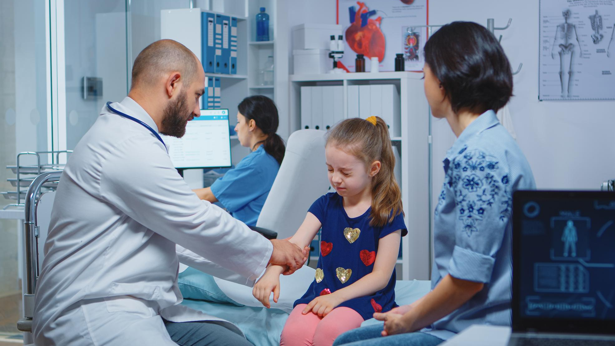
Every child is assessed individually based on their age, symptoms, medical history, and overall development. Depending on the condition, a pediatric consultation may include:
✔ Physical examination
✔ Growth and developmental assessment
✔ Review of medical history and current symptoms
✔ Diagnostic testing in labs or imaging when needed
✔ Personalized treatment plan based on age and history
✔ Vaccination and preventive care alignment
✔ Follow-up and monitoring until resolved
Pediatric professionals provide compassionate care to children based on an understanding of the child’s overall well-being in terms of physical, mental, and developmental health rather than simply focusing on an isolated symptom.
For example, when pediatric conditions require the use of multiple specialty physicians (i.e., orthopedic clinic doctors or ENT physicians), coordinated multi-specialty pediatric care will help accelerate diagnoses through one facility and reduce repeat visits to facilities and other specialists.
To Conclude
Navigating childhood illnesses is a standard part of parenting. From common colds and fevers to ENT infections, respiratory issues, gastroenteritis, growing pains, and rashes, understanding these seven conditions is vital.
Pediatric clinics utilize a structured approach that involves examining, diagnosing, monitoring development, providing preventive care, and coordinating specialist care when needed. This helps ensure your child receives the appropriate treatment while supporting their overall health and well-being.
Is Your Child Feeling Under the Weather, or Are You Unsure Whether a Symptom Requires a Doctor’s Visit?
Do not rely on guesswork when it comes to your child’s health. Schedule an appointment with a trusted pediatric clinic for expert evaluation, personalized treatment, and ongoing support. Early medical attention can help identify underlying conditions, prevent complications, and give parents greater peace of mind.