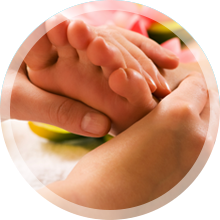
Massages Don’t Flush Toxins. Here’s What They Really Do

Somebody told you to drink water afterward because the massage released toxins. That advice gets repeated in spas, gyms, and articles everywhere, and it is not accurate. Massages do not push waste products out of your tissue and into your bloodstream for your body to expel. No credible research supports that idea. What bothers me about the toxin story is not that it is wrong. The real explanation is more interesting, and nobody bothers to share it.
So what happens during those sixty minutes? Columbus massages work through your nervous system, your circulation, and the fluid that moves between your cells. Three separate things, all measurable, none involving toxins. Understanding them changes how you book, how you prepare, and what you expect when you walk out the door.
Where the Toxin Myth Came from in the First Place
Lactic acid took the blame originally. For decades, people believed it built up in muscles and caused soreness, so removing it seemed like a reasonable goal.
That understanding has since changed. Lactate clears from muscle tissue within about an hour after exercise, long before anyone books an appointment. Post-workout soreness comes from small amounts of muscle damage and inflammation, not from acid sitting around waiting for someone to press it out.
The myth stuck because it gave people a simple story. Simple stories travel further than accurate ones. Your therapist may still repeat it, and honestly, most were taught it during training.
What Massage Actually Does to Your Nervous System
Start here, because this is where most of the effect lives.
Your body runs two modes. One handles alert states, deadlines, traffic, and tension. The other handles digestion, repair, and rest. Sustained pressure on the skin signals the second mode to take over.
Measurable changes follow:
- Heart rate slows within the first fifteen minutes.
- Breathing deepens without conscious effort.
- Blood pressure drops modestly during and after the session.
- Muscle guarding decreases, allowing tissue to soften.
That last one matters most. Tight muscles are frequently not tight in a structural sense. Your nervous system is holding them in a contracted state as a protective response. Change the signal and the muscle lets go, no toxin removal required.
How Pressure Changes Circulation and Fluid Movement
Blood flow does increase locally. Press tissue and you compress vessels, then release them. Fresh blood moves in.
Lymph works differently and is regularly confused with the toxin claim. Your lymphatic system has no pump of its own. It relies on muscle movement and pressure changes to shift fluid along. Massage assists that movement, which explains why swollen ankles or puffy legs sometimes feel lighter afterward.
Moving fluid is not detoxifying. Your liver and kidneys handle waste continuously, whether you get a massage or not.
Let us break down what circulation changes actually deliver:
- Warmer tissue that stretches more easily
- Reduced fluid pooling in the lower legs and feet
- Better oxygen delivery to areas that were compressed
- Faster recovery in tissue that was working hard
Why You Feel Sore the Next Day
Not toxins. Not damage either, usually.
Firm work on muscle creates a mild inflammatory response, similar to what happens after unfamiliar exercise. Your body responds by sending repair signals to the area. Soreness lasting a day or two is that process working, and it fades.
Soreness that lasts four days suggests the pressure went beyond what your tissue could handle that day. That is a conversation for the next appointment, not a sign of deep cleansing.
The most useful thing anyone can tell you is that intensity and benefit are not the same measurement.
What Drinking Water After a Massage Really Does
The water is fine. Drink it. The reason given is just wrong.
Hydrated tissue moves better under pressure and responds more readily. That benefit comes from drinking water throughout the day, not from one glass afterward. Your muscles do not care about the timing nearly as much as the total.
Some people feel lightheaded standing up after lying still for an hour. Water helps with that. So does sitting on the edge of the table for a minute before getting up, which almost nobody does.
See also: How Intensive Outpatient Programs Work for Mental Health
How This Changes the Way You Book
Once you drop the toxin framing, the practical decisions become clearer.
Stop treating massage as an occasional purge and start treating it as regular maintenance for a nervous system that rarely gets a break. Frequency matters more than intensity. A monthly session at moderate pressure often does more than one punishing hour twice a year.
Ask your therapist what they are actually working on. Ask why a particular area matters. Good therapists welcome the question and can answer it without mentioning toxins once.
Your body is already handling waste removal. What it struggles with is switching off, and that is where the hour on the table earns its place.