Enhancing Aesthetics and Security with Lighting Under Eaves

Outdoor lighting has become a popular feature for modern homes, offering far more than simple visibility after sunset. One design approach that continues to gain attention is lighting installed beneath the eaves of a building. Well-designed lighting under eaves enhances the architectural character of a property while providing subtle illumination that improves safety, visibility, and kerb appeal after dark. This placement creates a clean and refined appearance by casting light across walls, entrances, and surrounding outdoor areas without exposing bulky fixtures. The result is a welcoming exterior that looks attractive during the evening while providing practical illumination for everyday living. Whether applied to a contemporary residence or a more traditional property, carefully planned lighting beneath the eaves can enhance the building’s appearance and make outdoor spaces far more comfortable to use after dark.
Bringing Architectural Features to Life
Lighting placed beneath the roofline has the ability to highlight details that often disappear once daylight fades. Textured walls, decorative brickwork, timber cladding, stone finishes, columns, and roof shapes become more noticeable when illuminated from carefully selected positions. Soft lighting adds depth to flat surfaces and creates subtle contrasts that showcase the craftsmanship of the home’s exterior.
The effect is neither overpowering nor distracting when designed with balance in mind. Instead of flooding the entire façade with bright light, under-eave fixtures create a gentle glow that complements the building’s character. Entryways appear more inviting, outdoor entertaining spaces become warmer in appearance, and gardens located near the home receive soft illumination that adds visual interest without overwhelming the surrounding environment.
Improving Safety Around the Property
Beyond appearance, lighting beneath the eaves serves a practical purpose by making outdoor areas easier to move through after sunset. Driveways, pathways, patios, doorways, and side access points become easier to see, reducing the chance of trips or falls. Family members, visitors, and delivery personnel benefit from clearer visibility when arriving at the property during the evening.
A well-lit exterior creates greater confidence for people returning home after dark. Dark corners become less intimidating, steps become easier to identify, and changes in ground level remain visible. This added visibility supports safer movement around the property throughout the year, regardless of seasonal changes in daylight hours.
Supporting Residential Security
A property with consistent outdoor lighting often appears more occupied and cared for than one surrounded by darkness. Bright entrances and illuminated walkways reduce the number of hidden areas where unwanted visitors may attempt to remain unnoticed. Clear visibility around windows, gates, garages, and access points contributes to a stronger sense of security for occupants.
Lighting beneath the eaves works particularly well when combined with motion detection technology. Lights can remain at a lower brightness during the evening before increasing when movement is detected nearby. This immediate response draws attention to activity around the property and provides residents with better visibility without requiring lights to operate at full brightness throughout the night. Automated schedules can produce a similar effect by switching lights on during selected hours, creating the impression that someone is home.
Selecting the Right Lighting Fixtures
A wide variety of fixtures can be installed beneath roof overhangs, allowing homeowners to match lighting with the architectural style of the building. Recessed downlights remain a popular option thanks to their discreet appearance. Positioned within the eaves, these fittings blend naturally into the roofline and remain almost invisible during daylight hours. Once activated, they deliver clean pools of light beneath the building.
LED strip lighting offers another attractive solution. Installed along the length of the eaves, these flexible strips produce a continuous line of illumination that creates a modern appearance. Their adaptable design allows installers to work around corners and varying roof shapes with minimal visual interruption.
Adjustable spotlights provide another option for highlighting particular features. Decorative trees, feature walls, sculptures, or landscaped garden beds can all receive focused illumination without affecting the rest of the property. The ability to alter the direction of each fitting allows lighting layouts to change as gardens mature or outdoor spaces evolve over time.
Planning an Effective Installation
Successful lighting begins with thoughtful planning rather than simply choosing attractive fixtures. Every property presents different structural characteristics, making the roof design, eave material, and surrounding environment key factors during installation. Timber, aluminium, steel, and vinyl each require different fixing methods, and suitable products should match the construction materials used.
Spacing between fixtures has a significant influence on the finished appearance. Lights positioned too closely may create bright patches along the walls, whereas excessive spacing can leave dark sections that interrupt the visual flow. A balanced layout creates smooth illumination across the exterior without producing excessive glare.
Outdoor lighting remains exposed to changing weather throughout the year. Rain, dust, humidity, heat, and fluctuating temperatures place constant pressure on electrical components. Choosing fittings with an appropriate weather protection rating helps extend product life and reduces maintenance over many years of operation.
See also: Whole House Water Filtration vs Under-Sink Filters: Which Is Better for Your Home?
Energy Savings and Modern Technology
Advances in lighting technology have made outdoor illumination far more economical than previous generations of lighting products. LED fittings consume considerably less electricity than traditional incandescent or halogen bulbs, making them an attractive option for homeowners seeking lower running costs. Their long operating life means replacement becomes far less frequent, reducing maintenance requirements over time.
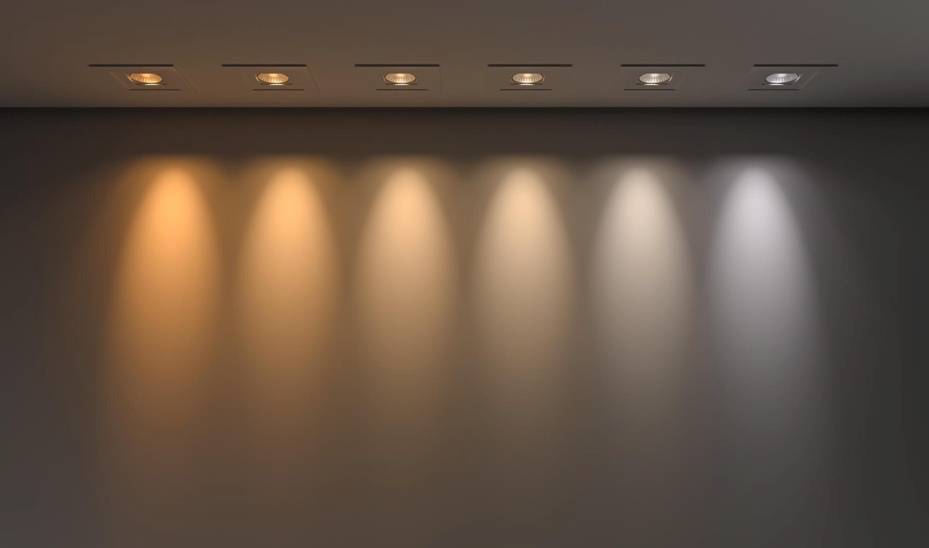
Smart lighting systems introduce another level of convenience. Mobile applications allow users to adjust brightness, schedule operating times, or change lighting colours from almost any location. Colour-changing LED systems provide flexibility for everyday use, festive celebrations, or seasonal decorating without replacing existing fixtures. Warm white lighting creates a relaxed atmosphere suitable for entertaining, whereas cooler white tones complement contemporary architecture with a cleaner appearance.
Looking Ahead
Lighting beneath the eaves combines attractive design with practical performance, making it a valuable addition to many residential properties. Well-planned installations highlight architectural details, improve visibility, support home security, and create inviting outdoor spaces that remain enjoyable long after sunset. Modern LED technology, intelligent controls, and durable weather-resistant fittings continue to expand the possibilities available to homeowners seeking attractive and efficient outdoor lighting. A carefully designed system offers lasting value by improving both the appearance and everyday function of the property, making it an investment that delivers benefits every evening for many years.