Gas Furnace Repair: Common Problems, Warning Signs, and Maintenance Tips

A gas furnace plays an important role in keeping a home comfortable during cold weather. When the heating system suddenly stops working, struggles to maintain the desired temperature, or starts making unfamiliar sounds, timely gas furnace repair can become essential. While some heating issues have simple causes, others involve internal components that require professional diagnosis.
Recognizing early warning signs gives homeowners a chance to address problems before they develop into larger failures. It also helps prevent unnecessary strain on a furnace that is already struggling to operate correctly.
When Does a Gas Furnace Need Repair?
A furnace does not need to stop completely before something is wrong. Many problems develop gradually and cause noticeable changes in comfort or system behavior.
Homeowners should pay attention to how frequently the furnace operates, the temperature of the air coming from vents, and whether new sounds or odors appear.
When these symptoms continue after basic checks, gas furnace repair may be appropriate.
Inconsistent Indoor Temperatures
Uneven heating is one of the easiest problems to notice. Certain rooms may remain colder than usual even though the thermostat shows the correct setting.
Several factors can cause inconsistent temperatures, including restricted airflow, duct-related problems, or furnace performance issues. A proper inspection can determine where the problem originates.
Common Gas Furnace Problems
Gas furnaces contain several components responsible for producing, controlling, and distributing heat. Problems with any part of this process can affect overall operation.
Understanding common symptoms does not mean homeowners should attempt internal repairs themselves. Instead, it helps them recognize when professional attention is needed.
Furnace Does Not Produce Enough Heat
A furnace may run while delivering less heat than expected. Start by checking the thermostat and air filter.
A clogged filter can reduce airflow, while an incorrect thermostat setting may interfere with normal comfort. If these simple checks do not solve the issue, gas furnace repair may be necessary to identify an internal problem.
Furnace Frequently Turns On and Off
Short or unusually frequent heating cycles can indicate that the system is not operating normally.
Airflow restrictions, thermostat problems, control issues, or other equipment conditions may contribute to repeated cycling. Because several causes produce similar symptoms, accurate diagnosis matters.
Weak Airflow From the Vents
Warm air must circulate effectively to heat a home evenly. When airflow becomes noticeably weaker, the furnace may take longer to achieve the desired temperature.
Filters and accessible vents are reasonable places for homeowners to check first. Persistent airflow issues should be investigated further.
Pay Attention to Unusual Furnace Noises
Most furnaces make predictable sounds during startup, operation, and shutdown. A sudden change in those sounds can indicate developing mechanical problems.
Banging, scraping, rattling, squealing, or grinding should not be treated as normal simply because the furnace continues operating.
Rattling or Vibrating Sounds
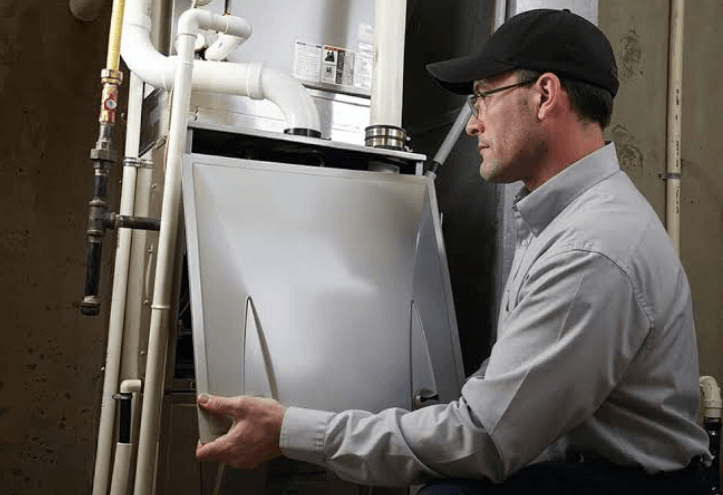
Rattling can sometimes come from a loose exterior panel, but internal components may also create similar noises.
If the source is not obvious and safely accessible, professional gas furnace repair can determine what is causing the sound.
Grinding and Scraping
Grinding or scraping can suggest that a moving component is experiencing abnormal contact or wear.
Continuing to operate a furnace that produces severe mechanical sounds could increase damage. Prompt inspection is a safer approach than waiting for the system to stop.
See also: How to Manage Business Finances Smartly
Safety Matters With Gas Heating Equipment
Gas-burning equipment requires additional attention because proper combustion and ventilation are essential to safe operation.
Homeowners should avoid dismantling internal gas or combustion components without appropriate training.
Never Ignore a Suspected Gas Odor
If a gas odor is suspected, do not attempt routine troubleshooting or continue operating the furnace. Follow appropriate local emergency and utility guidance and move away from the affected area when necessary.
The priority in this situation is safety, not diagnosing the furnace yourself.
Combustion and Venting Problems
Proper venting helps combustion byproducts leave the home correctly. Problems involving combustion, exhaust, or related safety controls require qualified inspection.
Gas furnace repair should address the underlying cause rather than simply restoring temporary operation.
What Happens During Furnace Diagnosis?
Effective repair begins by identifying why the system is malfunctioning.
A technician may examine thermostat operation, airflow, electrical components, safety controls, ignition-related components, and other relevant parts based on the symptoms.
Diagnosis Before Component Replacement
Similar symptoms can have different causes. For example, a furnace that fails to start could have a thermostat problem, control issue, electrical fault, or another malfunction.
Careful testing helps prevent unnecessary component replacement and supports more appropriate gas furnace repair.
How Maintenance Helps Reduce Furnace Problems
Preventive maintenance cannot guarantee that a furnace will never fail, but regular inspection can reveal wear and operating problems earlier.
Homeowners can help by replacing or cleaning appropriate filters, keeping vents unobstructed, and watching for changes in normal operation.
Schedule Inspections Before Heavy Heating Demand
Having the system inspected before extended cold weather can reveal developing problems before the furnace is needed continuously.
Maintenance can also confirm that major components and safety controls are operating as intended.
Repairing or Replacing an Older Furnace
A single repair does not automatically mean replacement is necessary. Overall equipment condition matters more than one isolated malfunction.
Consider the furnace’s age, repair history, reliability, comfort performance, and the condition of major components.
Repeated breakdowns may justify evaluating long-term options, while an otherwise dependable system may remain suitable after an appropriate repair.
Conclusion
Changes in heating performance should not be ignored, particularly when gas-burning equipment is involved. Unusual sounds, weak airflow, repeated cycling, inadequate heating, or startup problems may indicate a need for gas furnace repair. Homeowners can perform basic checks such as reviewing thermostat settings and inspecting filters, but internal mechanical, electrical, combustion, and gas-related concerns require appropriate expertise. Timely diagnosis combined with routine maintenance can help keep a furnace reliable throughout the heating season.