Innovative Tile Solutions: Practical Guide for Selecting Tiles for Kitchen

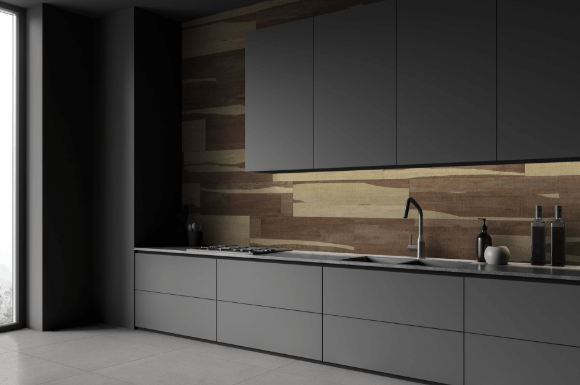
Choosing the right tiles for your kitchen is an essential aspect of interior design that can significantly impact both aesthetics and functionality. The kitchen is a hub of activity, and the tiles you choose must withstand daily wear while complementing your overall design vision. This guide offers insights into innovative tile solutions and practical tips tailored specifically for kitchen spaces. From modern design trends to material considerations, this article will help you make informed decisions for a kitchen that is both beautiful and durable.
Innovative Tile Solutions for Modern Kitchens
Modern kitchens often require innovative solutions that balance style and practicality. For instance, tiles with high R-value, which measures thermal resistance, can enhance energy efficiency in kitchens where temperature regulation is crucial. Using Tiles for Kitchen with an Environmental Product Declaration (EPD) offers transparency about the environmental impact, aligning with sustainable design practices. Integrating these elements into your kitchen design can transform it into a contemporary space that is both functional and environmentally conscious.
The use of CAD Software in designing kitchen layouts allows you to visualize how different tile patterns and colors will look in your space before installation. This technology helps in making precise decisions that align with your design goals. For those interested in sustainable design, considering tiles that contribute to LEED Certification can further enhance the value and eco-friendliness of your kitchen.
Key Factors to Consider When Choosing Kitchen Tiles
When selecting Tiles for Kitchen surfaces, durability is a primary concern. High-traffic areas require materials that can withstand spills, stains, and frequent cleaning. Porcelain tiles, known for their strength and water resistance, are a popular choice for such environments. Additionally, ensuring that the tiles are properly sealed can prevent moisture damage and prolong their lifespan.
Safety is another critical factor. Installing tiles with a slip-resistant finish can help prevent accidents in a busy kitchen setting. Moreover, considering the integration of Ground Fault Circuit Interrupter (GFCI) outlets ensures electrical safety in areas prone to moisture. These details demonstrate how thoughtful planning and tile selection can enhance both the safety and functionality of your kitchen.
Popular Tile Materials and Their Applications
Different tile materials offer unique benefits and applications in kitchen design. Ceramic tiles, for instance, are versatile and available in a wide range of colors and patterns, making them ideal for creating custom kitchen aesthetics. On the other hand, natural stone tiles like granite and marble provide a luxurious look but require regular maintenance to retain their appearance.
Glass tiles are known for their reflective properties, which can enhance natural light in a kitchen, creating a bright and open atmosphere. For a more rustic or traditional look, terracotta tiles offer warmth and texture, though they should be sealed properly to prevent staining. Each material has distinct characteristics, allowing homeowners to select options that best fit their design preferences and lifestyle needs.
Design Trends for Stunning Kitchen Tile Installations
Current design trends in kitchen tiles focus on bold patterns and textures. Using a mix of materials can create a dynamic and visually interesting space. For example, combining ceramic and glass tiles can add depth and contrast to your kitchen design. A recent study by Architectural Digest highlights the growing popularity of geometric patterns, which can be achieved through innovative tile arrangements.
Additionally, incorporating elements from the Houzz Kitchen Trends report, such as oversized tiles, can create a seamless and expansive look. Mood boards, often used by designers, help in visualizing these trends and selecting complementary colors and textures. These tools enable you to craft a kitchen space that is not only trendy but also uniquely tailored to your taste.
Conclusion
Selecting the right tiles for your kitchen involves a balance of aesthetics, functionality, and innovation. By considering factors like durability, safety, and current design trends, you can create a kitchen that is both beautiful and practical. Using tools like CAD Software for visualization and considering sustainable options like those that contribute to LEED Certification can enhance your design process. Whether you are revamping an existing space or designing a new kitchen, choosing the right Tiles for Kitchen is crucial to achieving your dream kitchen.