Drainage Cleaning: Why Routine Drain Care Matters for Your Home

Most drainage problems do not develop overnight. Grease, hair, soap residue, food particles, and everyday debris slowly collect inside pipes until water can no longer move freely. Proper drainage cleaning helps remove this buildup before it creates stubborn clogs, unpleasant odors, or wastewater backups. By recognizing common drainage problems early and adopting better maintenance habits, homeowners can keep their plumbing system working smoothly and avoid unnecessary disruption.
What Happens Inside a Dirty Drain?
Household drains handle a considerable amount of waste every day. Although water carries much of that material away, some residue can remain attached to the interior surfaces of pipes.
As additional debris enters the drain, it sticks to existing buildup. The usable space inside the pipe gradually becomes smaller, causing water to move more slowly.
Eventually, even a small amount of additional waste can create a complete obstruction.
The type of buildup often depends on where the drain is located. Kitchen plumbing commonly accumulates grease and food residue, while bathroom pipes frequently collect hair, soap scum, and personal-care residue.
See also: Mental Health Treatment in California: What to Know
Why Regular Drainage Cleaning Is Important
Waiting for a complete blockage is rarely the most convenient approach to drain maintenance. Keeping drainage lines clear can support consistent water flow and make serious clogs less likely.
A clean drain allows wastewater to leave sinks, showers, tubs, and other fixtures without unnecessary restriction. It can also reduce conditions that contribute to unpleasant smells.
Preventing Recurring Clogs
A drain that becomes blocked repeatedly may still contain buildup along its interior walls.
Simply creating a small opening through accumulated material can restore water flow temporarily, but it may leave much of the obstruction behind. New debris can then attach to the remaining residue.
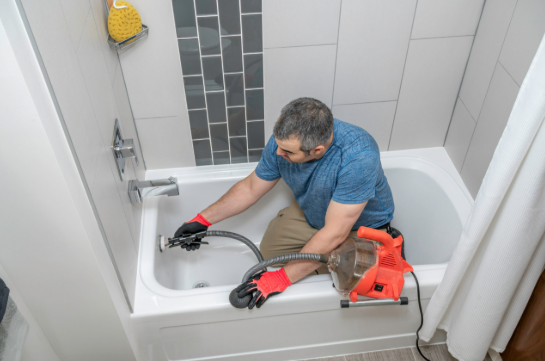
Thorough drainage cleaning focuses on removing accumulated material so the pipe has more usable space for wastewater.
Recognizing a Drain That Needs Attention
A completely blocked sink is an obvious drainage problem. However, homeowners can often identify trouble much earlier.
Watch for symptoms such as:
- Water taking longer to drain
- Bubbling or gurgling noises
- Unpleasant smells near drain openings
- Water returning after draining
- Frequent clogs in the same fixture
- Several drains becoming slow at once
These signs provide useful clues about what may be happening inside the plumbing.
One Slow Drain vs. Several Slow Drains
When only one fixture drains slowly, the obstruction may be located close to that particular drain.
If sinks, tubs, or showers in different parts of the property begin draining poorly at approximately the same time, the issue may involve a larger section of the drainage system.
Recognizing this difference can help determine whether basic maintenance is sufficient or further investigation is appropriate.
Areas of the Home That Commonly Need Drain Care
Different rooms create different challenges for drainage pipes.
Kitchen Drains
Grease is a major concern in kitchens. Cooking oils and fats may enter plumbing in liquid form, but they can cool and adhere to pipe walls.
Food scraps can then become trapped in the sticky residue, making the obstruction progressively larger.
Keeping grease and solid food waste away from the drain can reduce this type of buildup.
Bathroom Drains
Hair is one of the most common contributors to bathroom blockages. It can combine with soap, oils, and other residue to create a tangled mass inside the pipe.
Removing visible hair around drain openings and using appropriate drain protection can reduce how much material enters the plumbing.
Floor and Utility Drains
Floor drains may receive dust, dirt, lint, and sediment. Because some of these drains are used less frequently, developing problems can remain unnoticed for longer periods.
Checking them occasionally helps identify slow drainage before an urgent backup occurs.
Simple Habits That Can Protect Your Drains
Good drainage maintenance begins with controlling what enters the plumbing.
Dispose of cooking grease separately rather than pouring it into the sink. Remove food scraps before washing dishes, and prevent excessive hair from entering bathroom drains.
It is also useful to pay attention to drainage speed. Water that once disappeared immediately but now remains in the sink for several seconds is giving an early warning.
Responding at this stage may be easier than dealing with standing water later.
When Should Drain Problems Be Investigated?
Occasional minor drainage issues can happen in almost any property. Persistent problems require more attention.
Repeated clogs, continuing odors, wastewater backups, or multiple slow fixtures may indicate that accumulated material exists farther inside the drainage line.
In these situations, consulting a local drain specialist can help identify where the restriction is located and what type of blockage is affecting water flow.
Ignoring repeated symptoms may allow the obstruction to grow. As the available opening becomes smaller, drainage performance can continue to decline until wastewater has difficulty passing through at all.
Can Better Habits Reduce Drainage Problems?
Preventive habits cannot eliminate every possible plumbing issue, but they can significantly reduce unnecessary buildup.
Being careful about grease, food, hair, and other debris limits the material available to form obstructions. Regularly observing how quickly fixtures drain also makes it easier to notice changes.
Drain maintenance works best when it becomes part of routine household care rather than something considered only after a blockage occurs.
Conclusion: Keep Water Moving the Way It Should
Reliable drains contribute to a cleaner, more convenient home. When wastewater disappears quickly, it is easy to forget how much material plumbing lines handle every day.
Paying attention to slow drainage, unusual noises, recurring clogs, and odors provides an opportunity to address problems before they become more disruptive. Sensible disposal habits can further reduce unnecessary buildup.
Consistent drainage cleaning ultimately supports efficient water flow and dependable plumbing performance. Taking care of drains before they become completely blocked can make everyday household routines easier while helping prevent avoidable drainage emergencies.