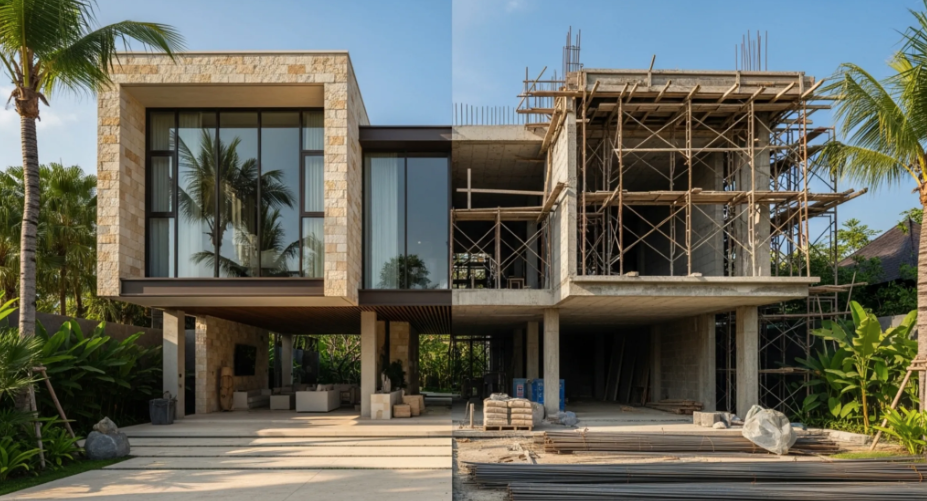
Bali Villa Construction Costs, Process, and Key Considerations

Introduction
Building a villa in Bali can be an exciting way to create a private home, holiday property, or rental investment. However, the project needs careful planning before construction begins. The total cost can change based on the location, land conditions, villa size, design, materials, labor, and level of luxury. Understanding the full bali villa construction process can help owners make better decisions and avoid costly mistakes. Bali also has different rules for land use, building permits, ownership, and development, so professional guidance is important. A clear budget should include design, permits, construction, furniture, landscaping, utilities, and possible unexpected costs. It is also useful to compare several builders and request detailed quotations before signing a contract. With the right planning, a villa project can stay organized, meet quality goals, and provide long-term value.
Understanding Bali Villa Construction Costs
The cost of building a villa in Bali depends on many factors, so there is no single price that applies to every project. A small villa with a simple design will normally cost much less than a large luxury villa with a swimming pool, premium finishes, and custom features. Location is also important. Popular areas such as Canggu, Seminyak, Ubud, and Uluwatu can have different land and labor costs. The structure, roof style, number of bedrooms, bathrooms, windows, doors, flooring, kitchen, and bathrooms all affect the final budget. In addition, owners should consider professional fees for architects, engineers, project managers, and legal advisers. Landscaping, fences, parking areas, pools, lighting, and outdoor spaces can also add significant costs. During bali villa construction, it is wise to keep a contingency budget for unexpected expenses. A detailed cost plan helps prevent financial pressure later.
See also: The Evolution and Impact of Accessible Audio Technology
Planning and Designing the Villa
Good planning is one of the most important stages of a villa project. Before construction starts, the owner should decide how the property will be used. A private family villa may need different features than a property designed for short-term rental. The design should consider the number of bedrooms, bathrooms, living areas, kitchen space, storage, outdoor areas, and parking. Bali’s tropical climate should also influence the design. Large openings, natural ventilation, shade, drainage, and suitable roofing can improve comfort and reduce long-term maintenance. An architect can create drawings that match the owner’s needs while considering local building requirements. The design stage is also the right time to choose materials and finishes. Changing major details after construction begins can increase costs and cause delays. A clear plan gives the construction team a strong guide and makes the bali villa construction process easier to manage from the beginning.
Land Checks, Permits, and Legal Requirements
Before building a villa, the land should be checked carefully. Buyers and developers need to confirm that the land can legally be used for the planned project. Land status, zoning, access, boundaries, drainage, and other local conditions can affect the development. Legal and professional checks are especially important for foreign investors because property ownership and development structures in Indonesia can involve specific rules. Building approvals and other required documents should be handled before major construction work begins. The exact requirements can depend on the location and type of project. Working with qualified local professionals can reduce the risk of using incorrect documents or starting work without proper approval. It is also important to verify contracts with landowners, contractors, architects, and other service providers. A strong legal foundation protects the investment and supports smoother bali villa construction. Rushing this stage can create expensive problems later, so owners should treat compliance as a core part of the project.
Choosing the Right Contractor
Selecting a reliable contractor is one of the biggest decisions in a villa project. Owners should avoid choosing a builder based only on the lowest quotation. A low initial price may not include important items or may indicate lower-quality materials and workmanship. Instead, compare several detailed proposals and check what is included in each one. It is useful to review previous projects, speak with past clients, and inspect completed villas when possible. The contract should clearly explain the construction schedule, payment stages, materials, responsibilities, quality standards, and procedures for changes. Communication is also very important. The owner should know who will provide regular updates and who will make decisions when unexpected issues appear. During bali villa construction, regular site inspections can help identify problems early. A professional contractor should be transparent about costs, timelines, materials, and possible delays rather than making unrealistic promises.
Construction Stages and Project Management
Once approvals and planning are complete, physical construction can begin. The first stages usually involve preparing the site, setting out the building, excavation, foundations, and structural work. The project then moves through walls, roofing, electrical systems, plumbing, windows, doors, flooring, painting, and other finishes. Swimming pools, landscaping, outdoor areas, and decorative features may be completed during later stages. Project management is important throughout the process because several teams may work at the same time. Materials must arrive when needed, and different trades need to follow the correct sequence. Weather can also affect construction schedules in Bali, especially during periods of heavy rain. Regular communication between the owner, architect, contractor, and project manager can reduce confusion. Good management helps keep bali villa construction on schedule while protecting quality and controlling unnecessary expenses.
Key Quality and Budget Considerations
Quality should be considered from the beginning rather than only at the final inspection. Choosing suitable materials for Bali’s tropical environment can improve durability and reduce future maintenance. Waterproofing deserves special attention because moisture and heavy rain can damage poorly built structures. Electrical systems, plumbing, drainage, roofing, and pool systems should also be installed and tested carefully. Owners should keep records of payments, material choices, drawings, approvals, and changes made during construction. It is also smart to maintain a reserve budget because construction projects can face unexpected costs. These may come from design changes, material price increases, difficult ground conditions, or additional work. Owners should not make major changes without checking their effect on both the budget and schedule. A careful approach to bali villa construction can protect the project’s long-term value. Spending wisely on important structural and technical elements is often better than focusing only on decorative finishes.
Conclusion
Bali villa construction can offer an attractive opportunity, but successful results depend on careful preparation and professional management. Owners need to understand the expected costs, select suitable land, create a practical design, meet local requirements, and choose an experienced construction team. A realistic budget should cover more than the main building. Design fees, permits, professional services, landscaping, furniture, pools, utilities, and contingency funds should also be considered. Clear contracts and regular communication can help reduce misunderstandings during construction. Quality materials and proper workmanship are especially important in Bali’s tropical climate, where moisture, heat, and heavy rainfall can affect buildings over time. By understanding every stage of the bali villa construction process, owners can make informed decisions and avoid many common problems. Careful planning may require more time at the start, but it can lead to a better-built villa, stronger financial control, and greater long-term satisfaction.