The Evolution and Impact of Accessible Audio Technology

The world of audio technology is constantly evolving, and one of the most significant advancements in recent years has been the development of superior in-ear headphones. These compact audio devices have revolutionised the way we experience sound, bringing unparalleled convenience and quality to users around the globe. With technology bridging the experience gap between larger, traditional headphones and smaller, portable alternatives, in-ear headphones have become a staple in personal audio equipment.
The Rise of In-Ear Headphones
Historically, headphones were cumbersome over-the-ear designs, which supplied a static listening experience mainly used in studio settings or by professionals. With the advent of personal music players, manufacturers saw an opportunity to create smaller, more efficient audio solutions. As a result, in-ear headphones began to surface as viable contenders, providing much-needed portability without sacrificing sound quality. They quickly became the go-to choice for music lovers who desired mobility.
Design and Comfort Innovations
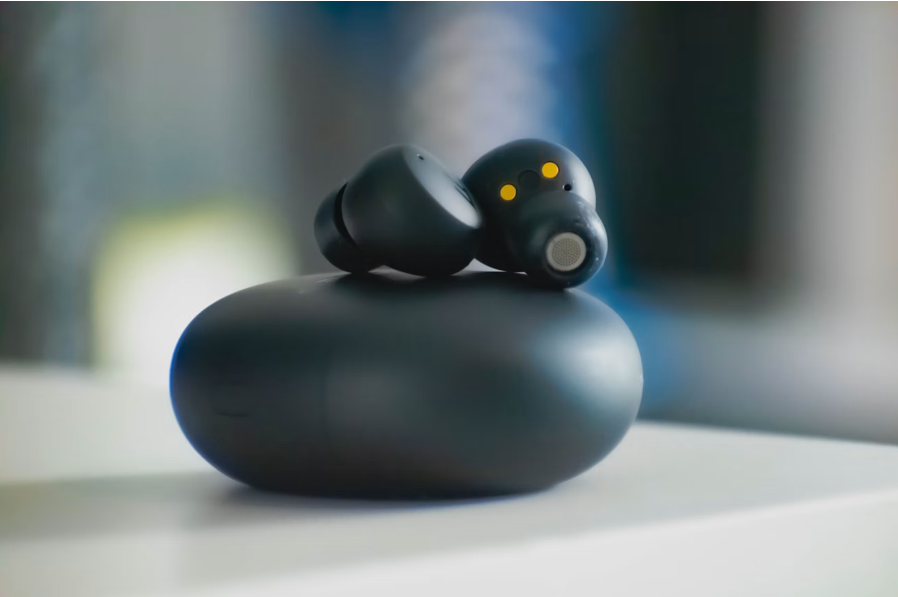
One of the standout features of in-ear headphones is their ergonomic design. Crafted to fit snugly within the user’s ear canal, these devices not only provide excellent sound isolation but also ensure comfort for prolonged use. Designing headphones that effectively fit a wide variety of ear shapes and sizes was a significant challenge that industry leaders have worked tirelessly to overcome. Today, in-ear headphones often come with interchangeable ear tips made from various materials, such as silicone or memory foam, ensuring a custom fit suitable for daily use.
Technological Advancements in Audio
The technological evolution driving in-ear headphones has not gone unnoticed by audiophiles and casual listeners alike. Advanced materials, innovative driver technology, and enhanced digital signal processing have all contributed to improved sound quality that rivals, and sometimes even surpasses, traditional over-the-ear headphones. While it was once believed that smaller headphones could not offer the same auditory experience as their larger counterparts, recent developments have proven otherwise.
The Impact of Wireless Connectivity
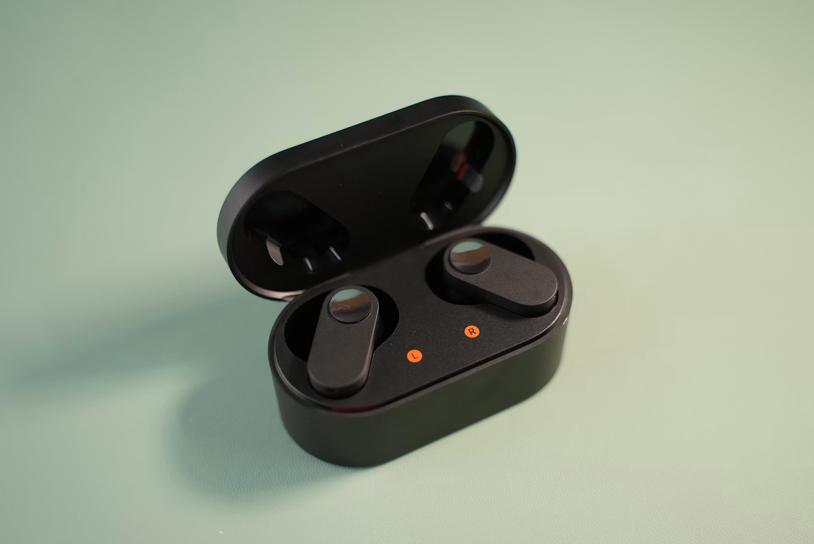
The integration of wireless technology has further cemented the status of in-ear headphones as essential audio accessories. Bluetooth connectivity has untethered users from their devices, granting them the freedom to move without the inconvenience of cables. This has been particularly beneficial for those with active lifestyles, as it simplifies the experience of listening to music while exercising. The elimination of wires has also led to new design possibilities, making in-ear headphones sleeker and more aesthetically pleasing.
Noise Isolation Versus Noise Cancelling
A significant factor in the popularity of in-ear headphones is their ability to isolate sound effectively. The snug fit within the ear canal naturally blocks out external noise, providing a more immersive listening experience. Additionally, many models now incorporate active noise-cancelling technology, further minimising ambient sounds. This feature has made in-ear headphones especially popular in urban environments, where background noise can detract from the enjoyment of music or podcasts. However, users must distinguish between passive noise isolation and active noise cancellation to choose a product that aligns best with their needs.
The Sustainability Factor
As consumers become increasingly aware of environmental impacts, the manufacturing and lifecycle of in-ear headphones are more closely scrutinised. Many companies now aim to use sustainable materials and practices in production. This shift not only extends the lifespan of headphones but also reduces the ecological footprint of audio technology. Some manufacturers have also implemented recycling programmes, encouraging users to return used headphones to decrease electronic waste.
The Future of In-Ear Headphones
Looking forward, the future of in-ear headphones seems promising with several exciting developments on the horizon. Advancements in battery technology promise longer playtimes and faster charging cycles, eliminating one of the remaining challenges of wireless headphones. Furthermore, with the integration of smart assistants and touch controls, in-ear headphones are becoming more than just audio devices; they are turning into vital extensions of our smartphones, enhancing productivity and convenience.
See also: Best Recliner Gaming Chairs for PC Gamers in Singapore
Hearing Health and Safety Considerations
With the ever-increasing use of in-ear headphones, it is imperative to address hearing health and safety. While these devices offer an exceptional audio experience, improper use, such as listening at high volumes for extended periods, can lead to hearing damage. Manufacturers and health professionals alike stress the importance of responsible listening habits. Some modern headphone models come equipped with volume-limiting features to protect users’ hearing, and users must be educated about healthy listening practices.
Conclusion
In summary, in-ear headphones have reshaped the audio landscape, offering users a perfect blend of portability, sound quality, and modern technology. They continue to evolve, addressing both consumer needs and environmental concerns, making them a noteworthy product in the vast world of audio equipment. As we progress further into the realm of digital and wireless technology, it is exciting to envision what the future holds for these indispensable devices.