Cocaine and the Heart: What the Drug Does to Your Body

Cocaine has a reputation built partly on myth and partly on real, documented danger. Some people use it for years without a visible crisis. Others end up in an emergency room the first time. That unpredictability is one of the things that makes this drug genuinely difficult to discuss in simple terms. Understanding what cocaine actually does inside the human body, beyond the surface-level rush, is useful for anyone trying to make sense of addiction, recovery, or the risks that come with stimulant use.
This article walks through the pharmacology, the physiological effects, the short-term risks, and the long-term consequences that research has linked to cocaine use. The goal is plain, accurate information, not alarm for its own sake.
How Cocaine Works in the Brain
Cocaine is a central nervous system stimulant. At the neurological level, it works by blocking the reuptake of three key neurotransmitters: dopamine, norepinephrine, and serotonin. Normally, once these chemicals are released into the synapse and do their job, they get pulled back into the neuron that released them. Cocaine jams that process. The neurotransmitters pile up in the synapse, producing effects far more intense than the brain would generate on its own.
Dopamine is the big one here. It plays a central role in the brain’s reward system, reinforcing behaviors that feel good so we repeat them. When cocaine floods synapses with dopamine, the resulting euphoria is fast and powerful. The brain starts to associate that surge with the drug, and over time it adjusts by producing less dopamine naturally. That is a core mechanism behind cocaine dependence: the brain becomes less capable of generating normal pleasure without the drug’s help.
Norepinephrine contributes to the physical side of the high. It increases heart rate, raises blood pressure, and narrows blood vessels. This is where a significant portion of cocaine’s danger lives, not in the euphoria itself, but in what the drug does to circulation and cardiac function while that euphoria is happening.
Short-Term Effects: What Happens During and After Use
The immediate effects of cocaine depend on how it is used. Snorting produces effects within three to five minutes that last roughly 15 to 30 minutes. Smoking crack cocaine reaches the brain in seconds, producing a more intense but shorter high. Injecting falls somewhere in between in terms of onset speed and is associated with a distinct set of additional risks.
| Route of Use | Onset Time | Duration of Effects | Additional Risks |
| Snorting (powder) | 3 to 5 minutes | 15 to 30 minutes | Nasal tissue damage, sinus problems |
| Smoking (crack) | Seconds | 5 to 15 minutes | Lung damage, severe dependency potential |
| Injection | 15 to 30 seconds | 20 to 30 minutes | Vein damage, bloodborne disease exposure |
| Oral/gum application | Several minutes | Up to 1 hour | Oral tissue damage, slower but prolonged effect |
During the high, users typically experience elevated energy, decreased appetite, heightened alertness, and a strong sense of confidence. Conversation feels easier. Tasks feel urgent and accomplishable. This is not an illusion exactly; the brain really is operating at a higher pitch. But that elevated state comes with a cost. Heart rate climbs. Body temperature rises. Blood vessels constrict. The cardiovascular system is under real strain from the moment the drug takes effect.
When the high ends, the crash is often sharp. Users describe fatigue, irritability, depression, and strong cravings. This is the brain reacting to the sudden absence of the dopamine flood it just experienced. The cycle of using to feel good, crashing, and using again to relieve the crash is one of the clearest on-ramps to dependence.
Cardiovascular Risk: The Most Dangerous System Affected
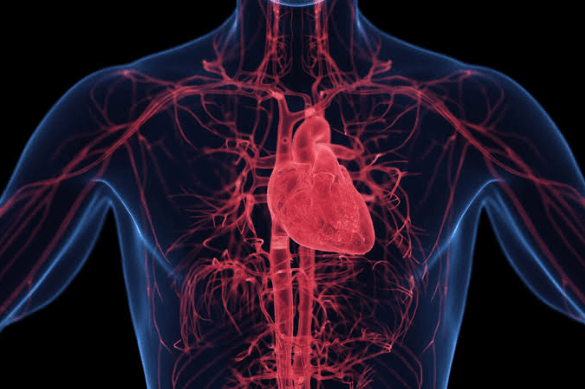
The heart is where cocaine causes its most immediate and life-threatening damage. The drug increases heart rate while simultaneously constricting the arteries that supply the heart with blood. Those two effects together create a situation where the heart is working harder but receiving less oxygen. In someone with any underlying coronary artery disease, even minor or undetected, this can trigger a heart attack. In younger users with apparently healthy hearts, cocaine can cause coronary artery spasm, which achieves the same result through a different mechanism.
According to the American Heart Association, cocaine use is associated with a significantly elevated risk of acute myocardial infarction, particularly in the first hour after use. The risk is not limited to heavy users. Single-use events have been documented as triggers for cardiac arrest in people who had no prior cardiac history. This is part of what makes overdosing on cocaine so unpredictable: the cardiac threshold varies dramatically from person to person, and there is no reliable way to know in advance how close someone is to that limit.
Arrhythmias are another serious concern. Cocaine disrupts the electrical signaling that regulates heartbeat rhythm. Irregular rhythms like ventricular fibrillation can be fatal without immediate intervention. Long-term cocaine users also show evidence of cardiomyopathy, a weakening of the heart muscle that reduces its pumping efficiency over time.
What Chronic Use Does to the Body Over Time
Short-term risk gets a lot of attention, appropriately so. But the cumulative damage from regular cocaine use is extensive and affects multiple organ systems beyond the heart.
Neurological Changes
Long-term cocaine use shrinks gray matter in regions of the brain responsible for decision-making, impulse control, and emotional regulation. A study published in Molecular Psychiatry found that cocaine users lose gray matter at roughly twice the rate of non-users as they age. This is not a reversible change, at least not fully or quickly. It contributes to the cognitive difficulties many people in recovery experience: trouble concentrating, poor judgment, emotional dysregulation. These are not character flaws. They reflect real structural changes in the brain.
Nasal and Respiratory Damage
For people who snort cocaine, the nasal passages bear a heavy burden. The drug reduces blood flow to nasal tissues, gradually killing them. Over months or years, the cartilage and bone that separate the nostrils can deteriorate and eventually collapse. Some users lose the ability to smell entirely. Those who smoke crack cocaine face a different set of respiratory problems, including lung damage, chronic cough, and a condition informally called crack lung, which involves hemorrhage and inflammation in the lung tissue.
Liver and Kidney Stress
When cocaine is combined with alcohol, the liver produces a compound called cocaethylene. This metabolite is itself toxic and extends the duration of stimulant effects while placing additional strain on the liver and heart. Many people use cocaine and alcohol together without knowing this interaction occurs. The kidneys are also affected, particularly through cocaine’s ability to raise blood pressure to levels that damage the small blood vessels inside renal tissue.
Cocaine, Tolerance, and the Shift Toward Dependence
Cocaine does not produce physical dependence in the same way opioids do. There is no classic withdrawal syndrome with sweating, vomiting, or severe pain. This leads some people to underestimate how addictive it is. The dependence that develops is primarily psychological, but that does not make it less real or less difficult to break.
Tolerance builds relatively quickly. Users find that the same amount produces less effect over time, prompting them to use more or use more frequently. The brain’s reward system has recalibrated downward. Activities and relationships that used to feel meaningful start to seem flat by comparison. This is sometimes called anhedonia, the inability to feel pleasure from normal sources. Research published in Nature Neuroscience has identified specific changes in the dopamine receptor density that underlie this shift, suggesting it is a measurable biological process, not just a lack of willpower.
- Increased use frequency to achieve the same effect
- Continued use despite awareness of health consequences
- Difficulty stopping even when motivated to do so
- Neglect of relationships, work, or responsibilities in favor of drug use
- Spending significant time obtaining, using, or recovering from cocaine
- Persistent cravings between uses
What Recovery Looks Like for Stimulant Use Disorders
Recovery from cocaine use disorder is well-documented and achievable, though the path is rarely linear. Unlike opioid use disorder, there are currently no FDA-approved medications specifically for cocaine dependence. Research into pharmacological options is active, with some promising work around drugs that affect the dopamine system, but nothing has reached the level of clinical adoption that methadone or buprenorphine have for opioids.
Behavioral therapies have the strongest evidence base. Cognitive behavioral therapy, in particular, has been studied extensively and helps people identify triggers, build coping strategies, and restructure thought patterns that maintain drug use. Contingency management, which uses positive reinforcement to reward negative drug tests, also has solid research support. According to the National Institute on Drug Abuse, people who complete structured treatment for stimulant use disorder show measurable improvements in both substance use outcomes and broader quality-of-life measures.
The early weeks of abstinence are often the hardest. Anhedonia is real and pronounced during this period. Sleep is disrupted. Cravings are intense. Having structured support during this window, whether through inpatient care, intensive outpatient programs, or peer support groups, significantly improves the likelihood of sustained recovery.
Cocaine is a drug that is easy to underestimate, particularly in social or recreational contexts where its risks feel abstract. The biology tells a different story. From the first use, it is reshaping brain chemistry, stressing the cardiovascular system, and establishing patterns that can become very difficult to reverse. Understanding that process clearly, without dramatizing it, is one of the most useful things anyone can do, whether for themselves, for someone they care about, or simply as an informed person trying to make sense of a problem that touches many lives.