Data Destruction Services: A Complete Guide to Securely Disposing of Sensitive Information

Businesses stored enormous amounts of information on computers, servers, laptops, hard drives, backup devices, and other digital equipment. When these devices reached the end of their useful life, simply deleting files or formatting a drive did not always provide sufficient protection. Information could potentially remain recoverable even after ordinary deletion. This was why professional data destruction services had become an important part of IT asset management and information security.
Data destruction involved permanently eliminating information stored on electronic devices so that unauthorized individuals could not retrieve it. Companies used different destruction methods depending on the type of device, the sensitivity of the information, and their security requirements.
Why Data Destruction Had Become Important
Organizations had collected and stored sensitive information every day. Customer records, employee information, financial documents, business contracts, passwords, intellectual property, and other confidential data had often been stored digitally.
When outdated equipment had been retired, the information stored on those devices had still represented a potential security risk. A company could have deleted files but still left recoverable data behind.
Professional data destruction services have helped businesses address this problem by using controlled processes designed to make stored information inaccessible.
Secure destruction had also supported compliance requirements. Industries that handled sensitive personal, financial, healthcare, or corporate information had often needed documented procedures for protecting data throughout the equipment lifecycle.
Common Data Destruction Methods
Different devices had required different destruction techniques.
Hard Drive Destruction
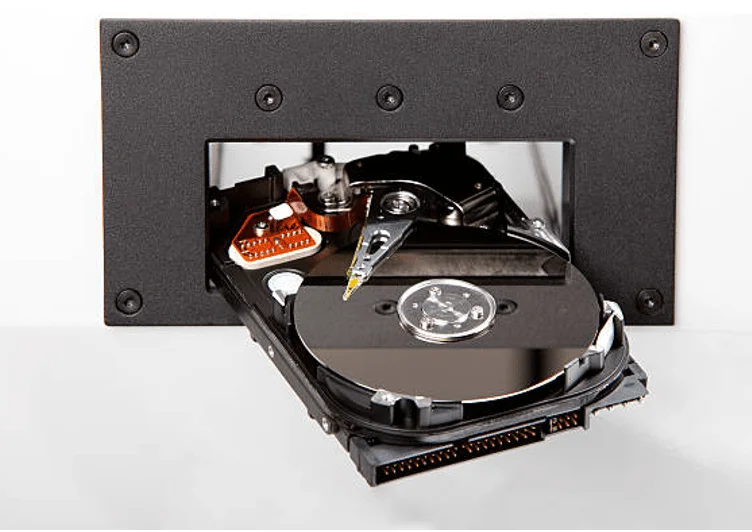
Hard drives had commonly been destroyed through shredding, crushing, or other physical processes. These methods had damaged the storage media sufficiently to prevent practical data recovery.
Data Sanitization
Some organizations had preferred secure data wiping when equipment could still be reused. Specialized software had overwritten existing information according to established data sanitization procedures.
Solid-State Drive Destruction
SSDs had required special consideration because their internal architecture differed from traditional hard drives. Standard deletion methods had not always been sufficient, so organizations had used specialized sanitization or physical destruction techniques.
Data Destruction and IT Asset Disposal
Secure data destruction services had often been part of a larger IT asset disposition process. When companies retired computers, servers, storage devices, and networking equipment, they had needed to consider both information security and environmental responsibility.
A professional provider could have collected equipment, documented the assets, performed appropriate data destruction, and then directed usable equipment toward reuse or recycling.
This approach had allowed businesses to address security requirements without treating every retired device as ordinary waste.
Why Businesses Had Used Professional Providers
Handling sensitive equipment internally had created several challenges. Employees might not have had specialized equipment, documented procedures, or the knowledge required to verify permanent data destruction.
Professional providers had offered structured processes that could include asset identification, secure transportation, destruction, reporting, and certificates of destruction.
Documentation had been particularly valuable for businesses that needed to demonstrate that retired devices had been handled according to internal security policies.
Data Destruction for Different Organizations
Small businesses had benefited from professional services because they often lacked dedicated information security and IT disposal teams.
Large organizations had faced a different challenge: managing thousands of devices across offices, branches, data centers, and remote locations. Professional providers had helped centralize the destruction process and maintain consistent documentation.
Government agencies and highly regulated organizations had also required particularly careful handling of information-bearing devices.
See also: How to Manage Business Finances Smartly
Choosing a Data Destruction Provider
Businesses had considered several factors before selecting a provider.
Experience had been important because data destruction required specialized processes. Security procedures had also needed to cover collection, transportation, handling, destruction, and documentation.
Companies had also evaluated whether the provider could offer certificates of destruction and detailed asset reporting.
Environmental practices had been another consideration. Equipment that had not been destroyed for security reasons could have been reused or recycled through appropriate channels.
Conclusion
Data destruction services had provided businesses with a practical way to permanently protect information stored on retired IT equipment. By combining secure destruction, documentation, asset tracking, and responsible recycling, organizations had been able to reduce data security risks while improving their overall IT asset management processes.
A structured destruction program had therefore represented more than simply getting rid of old computers. It had formed an important part of protecting information throughout the complete lifecycle of technology.