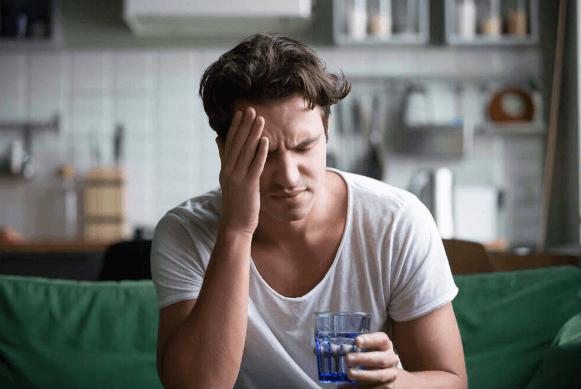
Why Your Head Pounds After Drinking: The Real Science

Most people have been there. You wake up after a night of drinking, and before you even open your eyes, your head is already throbbing. It feels unfair, almost punishing. But that pounding sensation is not random. Your body is running a complicated chain of biological responses, and understanding what is actually happening can help you make smarter decisions about alcohol, recovery, and your health.
This article covers why alcohol triggers head pain, the specific mechanisms behind it, how a standard hangover headache differs from something more serious, and what factors make some people more vulnerable than others. By the end, you will have a clearer picture of what your brain and body are doing in the hours after you drink.
What Alcohol Actually Does to Your Brain and Blood Vessels
Alcohol is a vasodilator, meaning it causes blood vessels to widen. When you drink, the blood vessels in your brain expand. That expansion puts pressure on surrounding tissue and nerves, which the brain interprets as pain. At the same time, alcohol suppresses a hormone called vasopressin, which your kidneys need to retain water. Without it, your kidneys flush out more fluid than they take in. Dehydration follows quickly, and dehydration on its own is a well-established trigger for headaches.
There is also the matter of acetaldehyde. When your liver processes alcohol, it first converts it into acetaldehyde, a toxic compound. Your liver then converts acetaldehyde into acetate, which is harmless. The problem is that the liver can only work so fast. If you drink more than your liver can process in time, acetaldehyde accumulates in the bloodstream. Research published in journals covering alcohol metabolism has consistently linked elevated acetaldehyde levels to nausea, flushing, and head pain.
The Timeline of a Hangover Headache
Hangover headaches do not usually appear while you are still drinking. They tend to show up several hours later, often peaking in the morning when your blood alcohol concentration (BAC) has dropped back to zero or near zero. This timing is not a coincidence. The headache tends to arrive precisely when alcohol is leaving your system, which points to a rebound effect in blood vessel tone and brain chemistry.
According to research cited by the National Institute on Alcohol Abuse and Alcoholism (NIAAA), hangover symptoms typically begin within 6 to 8 hours of the last drink and can last up to 24 hours. Severity depends on how much you drank, whether you ate beforehand, your body weight, your genetics, and how well you were hydrated going into the night.
| Factor | Effect on Hangover Severity |
| Total alcohol consumed | Higher intake leads to more severe symptoms |
| Drinking on an empty stomach | Faster absorption, more intense effects |
| Congener content of drinks | Darker liquors have more congeners, linked to worse hangovers |
| Hydration level before drinking | Poor hydration increases dehydration risk |
| Genetics and enzyme activity | Affects how quickly acetaldehyde is broken down |
| Sleep quality after drinking | Alcohol disrupts REM sleep, worsening fatigue and pain |
Congeners: The Hidden Culprit in Darker Drinks
Congeners are chemical byproducts produced during fermentation and aging. They give whiskey its smoky depth and red wine its complexity, but they also contribute significantly to hangover severity. Darker alcoholic beverages like bourbon, brandy, and dark rum contain far higher concentrations of congeners than clear spirits like vodka or gin.
A study published in the journal Alcoholism: Clinical and Experimental Research found that participants who drank bourbon reported significantly worse hangover symptoms than those who drank the same amount of vodka. Head pain was among the most commonly reported symptoms in the bourbon group. This does not mean clear spirits are safe in large quantities, but it does explain why the type of drink matters, not just the amount.
When Head Pain Signals Something More Serious Than a Hangover
There is a meaningful difference between the dull, throbbing ache of a single-night hangover and the kind of head pain that appears in people who drink heavily and regularly. For someone who drinks large amounts over a long period and then suddenly stops, the body enters a state of physiological stress. The nervous system, which has adapted to the presence of alcohol, goes into overdrive. That process can produce head pain, but it can also produce far more dangerous symptoms like tremors, elevated heart rate, confusion, and in severe cases, seizures.
Understanding the distinction between headaches from a hangover or alcohol withdrawal matters enormously because the appropriate response to each is very different. A hangover resolves on its own with rest, water, and time. Alcohol withdrawal, particularly in people with a history of heavy, long-term drinking, can become a medical emergency that requires professional supervision.
Signs That Head Pain May Be Withdrawal-Related
- Headache begins within 6 to 24 hours of the last drink and is accompanied by anxiety or tremors
- The person drinks daily or near-daily and has attempted to cut back before
- Head pain is accompanied by sweating, rapid heartbeat, or nausea that seems out of proportion
- Symptoms worsen over 24 to 72 hours rather than improving
- The person has a history of seizures during previous attempts to stop drinking
None of these signs on their own confirm withdrawal, but together they paint a picture that warrants medical attention rather than home remedies. The safest course for anyone with a pattern of heavy daily drinking who wants to stop is to consult a healthcare provider before attempting to quit cold turkey.
Practical Ways to Reduce Alcohol-Related Head Pain
If you are dealing with a standard hangover and not a withdrawal situation, several evidence-informed strategies can help reduce the severity of head pain. None of them are magic cures, but they work with your body’s actual recovery processes rather than against them.
- Hydrate before, during, and after drinking. Alternating alcoholic drinks with water slows absorption and offsets some fluid loss.
- Eat a meal before or while drinking. Food slows the rate at which alcohol enters your bloodstream, giving your liver more time to process it steadily.
- Choose lower-congener drinks if you are going to drink. Clear spirits and white wine tend to produce less severe hangovers than dark spirits or red wine.
- Sleep in a cool, dark room. Light and sound sensitivity are common with alcohol-related head pain, and rest genuinely helps the body recover.
- Consider electrolyte drinks rather than plain water. Alcohol depletes sodium, potassium, and magnesium, all of which play a role in nerve and muscle function.
- Use over-the-counter pain relievers with caution. Aspirin and ibuprofen can irritate a stomach already stressed by alcohol. Avoid acetaminophen entirely when alcohol is still in your system, as the combination stresses the liver.
Why Some People Are More Susceptible Than Others
Genetics play a larger role in alcohol sensitivity than most people realize. Variations in the genes that encode alcohol dehydrogenase and aldehyde dehydrogenase, the two main enzymes involved in processing alcohol, affect how quickly your body clears acetaldehyde. People with slower enzyme activity accumulate more acetaldehyde after drinking, which correlates with more intense head pain, flushing, and nausea. This is especially common in people of East Asian descent, a phenomenon sometimes called alcohol flush reaction.
Migraine sufferers are also disproportionately affected. Alcohol is one of the most frequently cited migraine triggers. For someone already prone to migraines, even a small amount of alcohol can set off a full attack. Red wine in particular has been identified as a trigger, possibly due to its histamine content and its tannins, both of which can affect vascular tone in the brain.
Age matters too. As people get older, the liver becomes less efficient at processing alcohol, and the body holds less water relative to fat. Both factors mean that the same amount of alcohol hits harder at 45 than it did at 25. This is not just subjective. It reflects measurable changes in body composition and liver enzyme activity over time.
The Bigger Picture
Head pain after drinking is the body’s way of signaling that something has gone out of balance. For most people, that signal fades within a day and serves as a reminder to drink more carefully next time. For people whose drinking has become frequent and heavy, however, those signals can be part of a more serious pattern. Paying attention to the type of head pain, when it appears, how long it lasts, and what other symptoms accompany it can help you understand whether what you are experiencing is a one-time consequence or part of something that deserves closer attention. Your body is generally very good at communicating what it needs. The challenge is learning to listen.