ADHD and Caffeine: What You Need to Know

Most people reach for a cup of coffee to shake off sluggishness. For someone with ADHD, that same cup might produce a very different outcome, and not always the one they were hoping for. The relationship between caffeine and ADHD is genuinely counterintuitive, and understanding it can help people make smarter choices about their daily habits, their symptoms, and when to seek professional guidance.
This article breaks down how caffeine works in the brain, why it behaves so differently in people with ADHD, and what the research actually says about using it as an informal management tool. Whether you are newly diagnosed, supporting someone who is, or simply curious about the neuroscience, the following sections offer a clear and practical look at a complicated topic.
How Caffeine Works in the Brain
Caffeine is classified as a central nervous system stimulant, but its primary mechanism is actually about blocking, not activating. It works by binding to adenosine receptors throughout the brain. Adenosine is a chemical that builds up over the course of a waking day and gradually makes you feel tired. When caffeine occupies those receptors, adenosine cannot bind to them, which means the sleepiness signal gets muted.
At the same time, caffeine indirectly boosts dopamine signaling. Dopamine is a neurotransmitter involved in motivation, reward, focus, and executive function. By blocking adenosine receptors, caffeine allows dopamine to move more freely and have a stronger effect on the brain’s reward pathways. This is a significant detail when it comes to understanding ADHD, because dopamine sits at the center of that condition as well.
The ADHD Brain and Dopamine Deficiency
ADHD is not simply a problem with attention or hyperactivity in isolation. A substantial body of research points to dysregulation in the dopaminergic system as a core feature of the condition. People with ADHD tend to have lower baseline dopamine activity, particularly in the prefrontal cortex, which is the region responsible for planning, impulse control, and sustained attention.
This is precisely why stimulant medications like methylphenidate and amphetamine salts are the most commonly prescribed treatments for ADHD. According to the American Psychiatric Association, stimulant medications are effective for approximately 70 to 80 percent of children and adults with ADHD. These medications work by increasing dopamine and norepinephrine availability in the brain, which helps regulate attention and behavior.
Caffeine, as a mild stimulant, operates through some overlapping pathways. This has led many people with ADHD to experiment with coffee as a self-management strategy, sometimes before they have a formal diagnosis. The logic feels reasonable on the surface. In practice, the results are far more variable.
Why Caffeine Produces Unexpected Results in ADHD
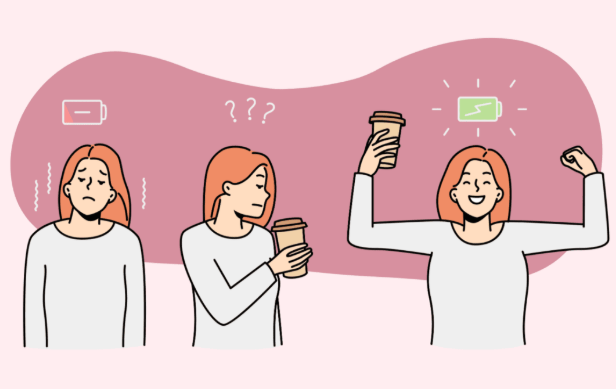
Some people with ADHD report that caffeine genuinely helps them focus. Others say it makes them anxious, jittery, or paradoxically more scattered. And a significant number notice that it simply makes them want to sleep. These varied outcomes are not random. They reflect real differences in how the ADHD brain processes stimulant substances, and the science behind them is worth understanding.
Researchers have looked closely at why caffeine makes people with ADHD feel tired, and the explanation involves the interaction between caffeine’s adenosine-blocking effect and the already dysregulated dopamine system in the ADHD brain. When dopamine availability is chronically low, the brain’s stimulant response threshold shifts. A dose of caffeine that would energize a neurotypical person may not be sufficient to produce the same effect in someone with ADHD, and could even trigger a kind of sedative rebound as adenosine flooding resumes once caffeine wears off.
There is also the matter of neurotransmitter sensitivity. People with ADHD may have fewer or less sensitive dopamine receptors, meaning that even when dopamine signaling is boosted, the downstream effect is muted compared to what a neurotypical person experiences. Caffeine’s indirect boost to dopamine may simply not be strong enough to reach a functional threshold for focus and wakefulness in many ADHD brains.
Caffeine Versus Prescription Stimulants: A Comparison
One of the most common questions people ask is whether caffeine can substitute for prescribed ADHD medication. The short answer is no, and the differences between the two help explain why.
| Factor | Caffeine | Prescription Stimulants (e.g., Adderall, Ritalin) |
| Primary mechanism | Adenosine receptor blocker; indirect dopamine boost | Direct increase of dopamine and norepinephrine |
| Potency | Mild | Significantly stronger and more targeted |
| Duration of effect | 3 to 5 hours, variable | 4 to 12 hours depending on formulation |
| Dosage control | Inconsistent across beverages | Precise, calibrated by a clinician |
| Side effect profile | Anxiety, jitteriness, dependency, sleep disruption | Appetite suppression, cardiovascular effects, monitored clinically |
| Evidence base for ADHD | Limited and inconclusive | Extensive, with decades of clinical trials |
| Regulatory status | Unregulated supplement | Schedule II controlled substances in the U.S. |
Prescription stimulants act directly on the dopamine and norepinephrine transporters, preventing reuptake and causing a more targeted and potent increase in these neurotransmitters. Caffeine cannot replicate that mechanism. It is a blunter instrument operating on a different part of the system.
The Risks of Relying on Caffeine for ADHD Symptoms
Self-medicating with caffeine is extremely common among people with undiagnosed or untreated ADHD. There is even some evidence suggesting that people with ADHD consume caffeine at higher rates than the general population, which some researchers interpret as a form of instinctive self-regulation. While this behavior is understandable, it carries real risks.
- Sleep disruption: Caffeine has a half-life of approximately five hours, meaning a 3 p.m. coffee still has half its caffeine active in the bloodstream at 8 p.m. People with ADHD already tend to have disrupted circadian rhythms, and caffeine can worsen this significantly.
- Anxiety amplification: Caffeine increases cortisol and can trigger or worsen anxiety, which is already a frequent co-occurring condition with ADHD.
- Tolerance and dependency: Regular high caffeine consumption leads to tolerance, requiring more to achieve the same effect and causing withdrawal headaches, fatigue, and irritability when intake drops.
- Masking a treatable condition: Relying on caffeine can delay someone from seeking a proper evaluation and diagnosis, which means missing access to evidence-based treatments that actually work.
- Cardiovascular considerations: High caffeine intake raises heart rate and blood pressure, and some ADHD medications also have cardiovascular effects, making unsupervised caffeine use risky for anyone on prescription stimulants.
What the Research Actually Says About Caffeine and ADHD
Clinical research on caffeine as a treatment for ADHD is relatively limited compared to the body of evidence for prescription medications. A 2021 review published in the journal Nutrients examined the effects of caffeine on cognitive performance and noted that while caffeine can improve attention and reaction time in the general population, findings in people with ADHD are inconsistent and the effect sizes are much smaller than those seen with standard stimulant medications.
Animal studies have shown some promise, with caffeine improving performance on attention tasks in rodent models of ADHD. But translating rodent findings to human clinical recommendations is a long road with many variables, and no major psychiatric or neurological organization currently recommends caffeine as a treatment for ADHD.
What the research does confirm is that individual responses vary enormously. Genetic factors, particularly variations in the CYP1A2 gene that governs how quickly the liver metabolizes caffeine, mean that two people can experience completely different durations and intensities of effect from the same dose. For someone with ADHD, adding genetic variability in dopamine receptor sensitivity on top of caffeine metabolism differences makes predicting outcomes very difficult.
Practical Considerations for People With ADHD Who Drink Caffeine
If you have ADHD and currently use caffeine, the goal is not necessarily to eliminate it but to use it thoughtfully. A few evidence-informed habits can help reduce the downsides while maintaining any genuine benefit caffeine provides.
- Set a cutoff time. Most sleep researchers recommend stopping caffeine intake at least six hours before bedtime. Given that sleep problems are already prevalent in ADHD, protecting sleep quality is a high priority.
- Track your response. Keep a simple log of when you consume caffeine, how much, and how you feel afterward. Patterns often emerge that are hard to notice in real time.
- Avoid mixing with medication without guidance. If you are prescribed a stimulant medication, talk to your prescribing clinician before relying heavily on caffeine as well. The combined stimulant load can affect heart rate and anxiety levels.
- Do not substitute caffeine for evaluation. If ADHD symptoms are significantly affecting your work, relationships, or daily functioning, a proper assessment by a qualified clinician is the most effective next step. Caffeine is not a treatment plan.
- Stay hydrated. Caffeine has mild diuretic properties, and dehydration can worsen cognitive symptoms that already challenge people with ADHD.
The relationship between caffeine and ADHD is one of the more fascinating examples of how a common substance can behave very differently depending on underlying neurology. Rather than assuming caffeine will help or hurt, approaching it with curiosity and attention to personal response is the most useful stance. And for anyone still working to understand their own brain, speaking with a mental health professional who specializes in ADHD can provide far more targeted guidance than any cup of coffee ever could.