Eyewear for Every Lifestyle: Exploring Prescription Glasses, Sunglasses, and More

Eyewear is rarely a one-size-fits-all decision. The glasses someone wears to the office look nothing like what they’d reach for on a hiking trail, and neither resembles what they might need for a long drive at sunset. As lifestyles have become more varied and demanding, eyewear has had to keep pace, expanding well beyond basic vision correction into a category that now spans function, fashion, and even technology.
This article takes a closer look at how different categories of prescription glasses, sunglasses, and other eyewear options cater to distinct lifestyle needs, helping shoppers understand which type of eyewear actually fits their day-to-day routine.
Why Lifestyle Should Drive Eyewear Choices
Many people choose glasses based on appearance alone, which makes sense given how visible eyewear is as a personal style statement. However, lifestyle factors like work environment, outdoor activity levels, and screen time all play a significant role in determining which type of eyewear will actually perform well day to day. A frame that looks great but doesn’t suit your daily habits often ends up underused or replaced sooner than expected.
Prescription Glasses for Daily Vision Needs
For most people, prescription glasses form the foundation of their eyewear collection. These are designed to correct specific vision issues, whether that involves nearsightedness, farsightedness, or astigmatism, and they’re typically worn for the majority of waking hours.
Lifestyle still matters significantly within this category. Office workers who spend long hours in front of screens may benefit from lenses with blue light filtering, while people who frequently switch between indoor and outdoor environments might prioritize lightweight, durable frame materials that hold up to daily handling.
Sunglasses for Outdoor and Active Lifestyles
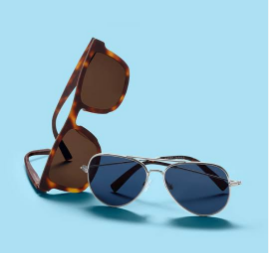
Sunglasses serve a dual function that goes beyond simple style. They protect eyes from harmful UV exposure while reducing glare, making them essential for anyone who spends meaningful time outdoors. For drivers, polarized lenses help cut down reflective glare from roads and windshields, while for outdoor enthusiasts, more durable, wraparound frame styles often provide better protection during physical activity.
Choosing sunglasses based on lifestyle rather than appearance alone can make a meaningful difference. Someone who hikes or cycles regularly may need sturdier, better-fitting frames compared to someone who primarily wears sunglasses for short walks or casual errands.
Smart Glasses for Tech-Integrated Routines
For people whose daily routines are closely tied to technology, smart glasses represent a newer but increasingly relevant category. These frames integrate features like audio playback or hands-free connectivity directly into the eyewear, eliminating the need for separate earbuds or devices during calls or music listening.
This category tends to appeal most to people who value convenience and minimalism, preferring a single device that handles both vision and basic tech functions rather than carrying multiple accessories throughout the day.
Reading Glasses for Practical, Occasional Use
Not everyone needs full-time prescription correction. Many people, particularly those experiencing early presbyopia, find that reading glasses offer a simpler, more affordable solution for occasional near-vision tasks like reading or using a phone. These are typically available in standard magnification strengths, making them accessible without requiring a full eye exam.
Matching Eyewear to Multiple Roles Throughout the Day
Many people don’t fit neatly into just one lifestyle category. A single person might need prescription glasses for work, sunglasses for their commute, and reading glasses for evenings spent with a book. Rather than viewing these as separate purchases tied to unrelated needs, it can help to think of eyewear as a flexible toolkit, with each pair serving a specific role within a broader daily routine.
This mindset also makes it easier to prioritize purchases. Someone who spends most of their time indoors might invest more heavily in high-quality prescription lenses, while someone with a more outdoor-focused lifestyle might prioritize durable, protective sunglasses instead.
Considering Frame Materials and Durability
Lifestyle also influences which frame materials make the most sense. Metal frames tend to offer a lightweight, flexible feel suited to all-day wear, while acetate frames provide more color and style variety, often appealing to those who view eyewear as a fashion statement as much as a functional tool. For more active lifestyles, durability becomes a bigger priority, often favoring frames designed specifically to withstand movement and impact.
See aso: How to Manage Business Finances Smartly
Frequently Asked Questions
How do I know which type of eyewear fits my lifestyle best?
Consider your daily activities, screen time, and outdoor exposure. Office-heavy routines often benefit from blue light filtering, while active lifestyles may prioritize durable sunglasses.
Can I use the same pair of glasses for both work and outdoor activities?
It’s possible with certain photochromic lenses that adjust to lighting conditions, but dedicated sunglasses generally offer better outdoor performance.
Are smart glasses suitable for everyday use?
Yes, particularly for people who want hands-free audio or connectivity features without carrying separate devices throughout the day.
Do I need a prescription for reading glasses?
No, reading glasses are typically sold in standard magnification strengths and don’t require a full prescription exam.
Is it worth owning multiple pairs of glasses for different activities?
For many people, yes. Different lifestyle demands, like outdoor exposure or screen time, often call for eyewear tailored to those specific needs.
Eyewear today serves far more roles than simple vision correction, and matching the right type of glasses to your specific lifestyle can make a noticeable difference in comfort, function, and everyday convenience.