Understanding Pre-Roll Cones: Materials, Design, and Manufacturing

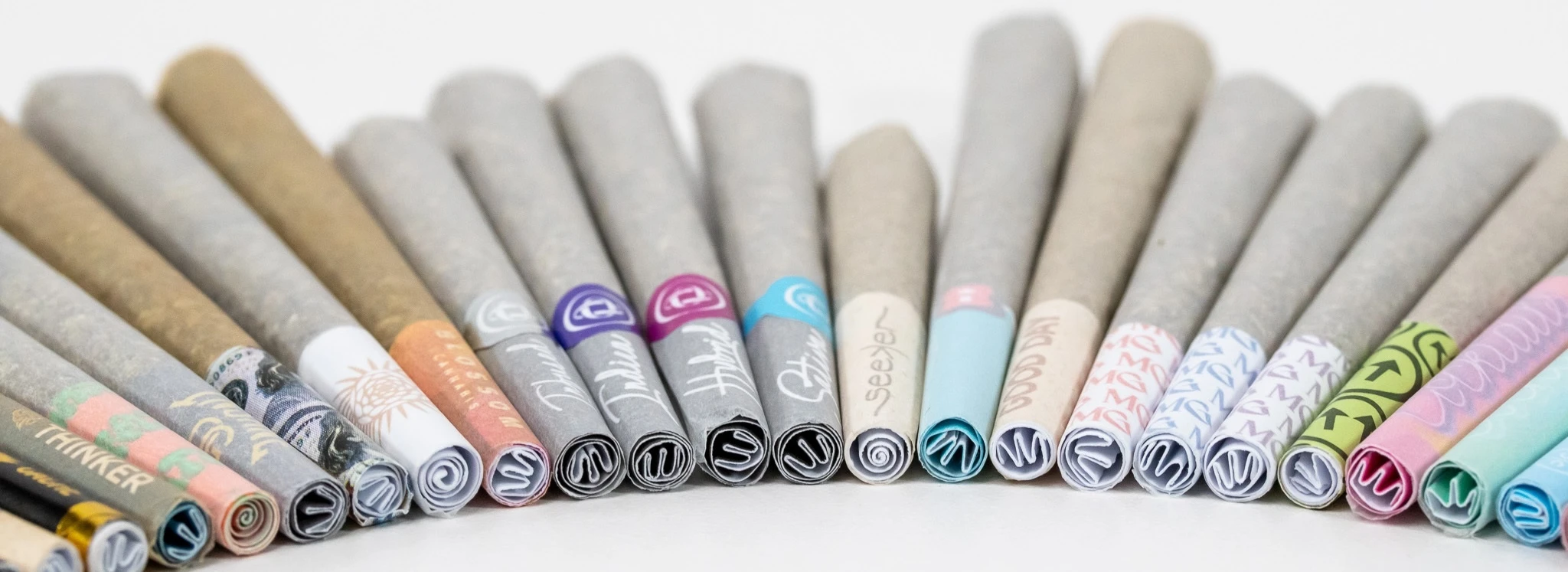
Pre-roll cones are widely recognized for their convenient shape, consistent structure, and carefully designed paper construction. They are manufactured using specialized rolling paper and a filter tip, creating a cone-shaped product that is ready for filling. Understanding how these products are made involves looking at their materials, dimensions, paper quality, and manufacturing techniques.
Whether someone is researching paper products or learning about specialty paper manufacturing, understanding the structure of pre-roll cones provides useful insight into how raw materials are transformed into finished products.
What Are Pre-Roll Cones?
Pre-roll cones are cone-shaped paper products manufactured with an open filling end and a narrower end that typically contains a filter or tip. Their structure is designed to maintain a consistent shape while providing a practical format for different applications.
Unlike flat rolling papers, cones are manufactured into a three-dimensional shape before packaging. This requires specialized equipment and controlled production processes to maintain uniform dimensions.
The manufacturing process generally involves several stages, including paper selection, cutting, shaping, filter placement, and quality inspection.
Understanding Pre-Roll Cone Materials
Material selection is one of the most important parts of paper cone manufacturing. Different paper materials have different characteristics, including thickness, texture, strength, and flexibility.
Paper Composition
Specialty paper is selected according to the intended product specifications. Manufacturers consider several properties:
- Paper weight and thickness
- Surface texture
- Material consistency
- Flexibility during shaping
- Resistance to tearing
- Overall structural stability
These characteristics influence how easily paper can be processed and how consistently it maintains its intended shape.
Natural and Processed Paper Fibers
Paper products can be manufactured using different fiber sources. Wood-based pulp and other plant-derived fibers are commonly used throughout the paper industry.
Fiber choice affects the paper’s texture, strength, appearance, and processing characteristics. Manufacturers evaluate these properties before selecting materials for a particular product.
See also: How to Manage Business Finances Smartly
How Pre-Rolled Cone Structure Works
A paper cone’s structure is relatively simple, but producing consistent shapes requires precision.
Cone Shape and Dimensions
A cone typically has a wider opening and a narrower end. Its dimensions depend on the product specifications, including length, diameter, and taper.
Consistent measurements help manufacturers maintain uniformity across production batches.
Filter and Tip Construction
The filter tip is an important structural component. It helps maintain the narrow end of the cone and provides additional stability.
Filter tips may differ in material, shape, thickness, and construction. Manufacturers select these components according to the required specifications.
Different Types of Rolling Cones
Paper cones can differ in size, shape, material, and overall construction. These variations allow manufacturers to produce products for different market requirements.
Common differences include:
- Standard cones: Conventional cone-shaped designs with straightforward construction.
- Wide cones: Designs featuring a larger opening and wider dimensions.
- Slim cones: Narrower designs with different proportions.
- Specialty paper cones: Products made using specific paper characteristics or customized designs.
Each variation requires appropriate material selection and manufacturing controls.
Understanding the Paper Cone Manufacturing Process
Manufacturing paper cones involves several coordinated stages. Each stage contributes to the consistency and finished appearance of the product.
1. Material Selection
The process begins with selecting paper that meets the required specifications. Manufacturers evaluate thickness, flexibility, surface quality, and consistency.
2. Paper Cutting
Selected paper is cut into specific shapes and sizes. Accurate cutting is important because variations can affect the final cone dimensions.
3. Cone Formation
Specialized machinery shapes the paper into a cone. The paper must maintain its intended structure without unwanted folds or uneven edges.
4. Filter Placement
The filter component is positioned at the narrower end according to the product design. Consistent placement helps maintain the finished product’s appearance.
5. Inspection and Packaging
Finished products undergo visual and dimensional inspections. Once approved, they are organized and packaged according to the manufacturer’s specifications.
Why Rolling Paper Thickness Matters
Paper thickness directly influences the physical characteristics of a finished paper product.
Thin paper may offer greater flexibility, while thicker paper can provide additional structural strength. However, the ideal thickness depends on the intended application and manufacturing requirements.
Manufacturers commonly evaluate paper weight, thickness consistency, and resistance to tearing during material selection.
Maintaining consistent paper specifications also helps reduce production variations and improve the uniformity of finished products.
Quality Control in Specialty Paper Manufacturing
Quality control is essential for maintaining consistent manufacturing standards. Even small variations in paper dimensions or material properties can affect the final appearance.
Manufacturers may inspect:
- Paper thickness and weight
- Cutting accuracy
- Cone dimensions
- Filter placement
- Surface consistency
- Packaging condition
Regular inspections help identify manufacturing defects and maintain consistent product specifications.
The Role of Specialized Manufacturers
Producing specialty paper products requires suitable materials, manufacturing equipment, and quality management procedures. Businesses researching different product specifications can explore manufacturers such as King Custom Cones to understand the available product and customization options.
For businesses interested in the category, pre roll cones represent an example of how specialized paper materials and precise manufacturing techniques work together to create a finished product.
Conclusion
Pre-roll cones demonstrate how material selection, paper thickness, structural design, and manufacturing precision contribute to specialty paper production. From selecting suitable paper fibers to forming consistent shapes and inspecting finished products, every stage plays an important role in maintaining manufacturing standards.
Understanding these elements provides a clearer picture of how specialty paper products are developed and why consistency matters throughout the manufacturing process.