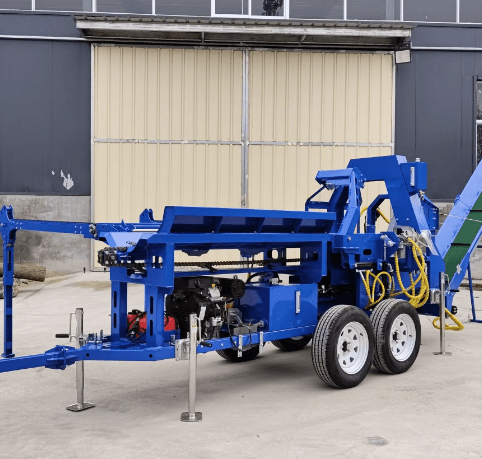
Firewood Processors for Sale: How to Choose Equipment for Efficient Wood Processing

Finding the right firewood processors for sale can transform the way logs are converted into usable firewood. For anyone handling substantial amounts of timber, processing logs manually can consume valuable time and demand significant physical effort. A well-matched processor brings cutting, splitting, and material movement into a more organized workflow. However, choosing equipment requires more than comparing basic specifications. Log dimensions, expected output, site conditions, maintenance needs, and operator safety should all influence the final decision.
Understand What a Firewood Processor Does
A firewood processor is designed to complete multiple wood-processing tasks within a coordinated system. Instead of moving logs between separate cutting and splitting stations, operators can manage several stages from one working area.
When comparing firewood processors for sale, consider how the entire processing sequence operates. An efficient machine should allow logs to enter smoothly, move through cutting and splitting stages consistently, and leave the work area without creating unnecessary congestion.
The goal is not simply faster cutting. Good processing equipment should improve the overall movement of timber through the worksite.
Start With Your Timber
Log characteristics are among the most important considerations. Diameter, length, species, straightness, and moisture levels can influence processing performance.
Some operations deal mainly with consistent logs, while others regularly handle crooked or unusually shaped timber. Before reviewing firewood processors for sale, identify the size range you process most frequently.
Choosing equipment around everyday material usually creates better results than selecting a machine primarily for unusually large logs that appear only occasionally.
Determine Your Required Output
Processing requirements vary considerably. Someone preparing seasonal firewood has different needs from an operation processing wood regularly throughout the year.
Estimate how much material you need to process during a typical day, week, or season. This provides a realistic basis for evaluating firewood processors for sale without being distracted by unnecessary capacity.
Higher theoretical output does not automatically mean greater practical efficiency. Loading delays, difficult adjustments, poor site organization, and frequent interruptions can reduce actual production.
Consistency Can Improve Productivity
Reliable processing is often more valuable than occasional bursts of high output. Equipment that maintains a steady working rhythm allows operators to plan loading, discharge, stacking, and transportation more effectively.
Consistent firewood dimensions can also simplify storage. Uniform pieces tend to stack more neatly and can make later material handling easier.
Examine the Feeding System
Logs must reach the cutting section smoothly for processing to remain efficient. A suitable feeding arrangement minimizes repeated manual positioning and keeps material moving at a controlled rate.
While inspecting firewood processors for sale, consider how logs will arrive at the machine. Think about whether your existing equipment, loading method, and worksite arrangement will integrate effectively with the processor.
A poorly planned feeding setup can create bottlenecks even when the processor itself is highly capable.
Plan for Finished Firewood
The processing cycle does not end when a log has been split. Finished firewood must be moved away from the working area so production can continue.
Consider how processed material will reach piles, containers, storage areas, or other handling equipment. When comparing firewood processors for sale, examine the discharge arrangement alongside cutting and splitting features.
An efficient exit path can help keep the processing area clear and reduce unnecessary manual handling.
Consider Cutting and Splitting Flexibility
Firewood requirements are not always identical. Different customers, storage arrangements, heating applications, or timber types may call for different finished dimensions.
Useful processing equipment should provide practical adjustment without turning routine changes into lengthy interruptions. When researching firewood processors for sale, consider how cutting lengths and splitting configurations can be adapted.
Simple, logical adjustments can be especially helpful when processing mixed timber.
Avoid Choosing on Capacity Alone
Large capacity figures may seem attractive, but bigger equipment is not automatically the better choice. Oversized machinery can require additional working space, handling capability, and maintenance.
Instead, focus on equipment that comfortably handles the majority of your logs. A balanced setup usually provides more practical value than excessive capacity that remains unused.
Make Safety Part of the Selection Process
Wood processing involves substantial forces and moving components. Safe operation should therefore be considered from the beginning rather than treated as an additional feature.
When evaluating firewood processors for sale, examine the control layout, guarding, operator position, visibility, and emergency stopping arrangements. Controls should be accessible without encouraging awkward working positions.
The surrounding workspace also matters. Operators need enough room to move safely while keeping loose material and processed wood away from important working areas.
Operator Comfort Supports Better Work
Long processing sessions can become tiring when controls are inconvenient or material requires frequent manual repositioning.
A comfortable operating position can reduce unnecessary movement and help the operator maintain concentration. Look for layouts that support natural control access and good visibility across the processing area.
Review Maintenance Accessibility
All processing machinery requires regular attention. Cutting components need inspection, moving parts may require lubrication, and hydraulic or mechanical systems should be checked periodically.
When considering firewood processors for sale, examine whether routine service points are easy to reach. Maintenance becomes more practical when operators can inspect important components without excessive disassembly.
Keeping equipment clean also helps reveal wear, loose parts, leaks, or other developing problems before they interrupt production.
Inspect Previously Used Equipment Thoroughly
Used machinery can vary significantly in condition. Visual appearance alone rarely tells the complete story.
Check structural components, cutting areas, moving assemblies, controls, hoses, connections, and wear points. Whenever practical, observe the processor operating under realistic conditions. Seeing logs move through the machine can provide valuable information about feeding consistency and general operating condition.
See also: How to Manage Business Finances Smartly
Build a More Efficient Processing Setup
Choosing among firewood processors for sale should ultimately come down to compatibility with your actual operation. Consider typical log dimensions, required production, feeding arrangements, finished wood handling, available workspace, safety, and maintenance demands. Equipment that fits these factors can create a smoother workflow and reduce unnecessary handling. By focusing on practical everyday performance rather than specifications alone, buyers can select a processor that supports dependable, organized, and efficient firewood production.