How Australian Insurers Can Support Customers When Homes Become Uninhabitable

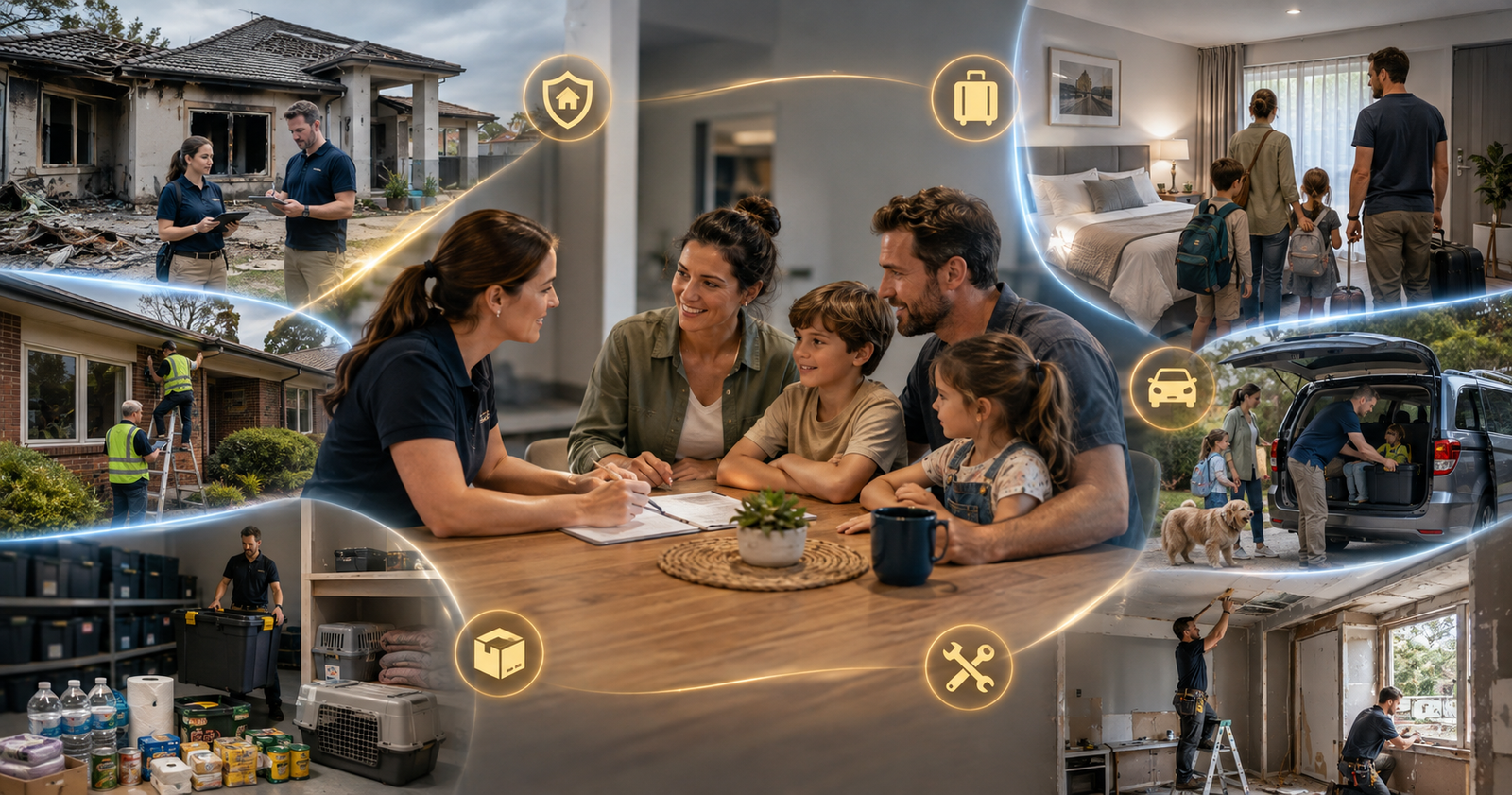
When a home becomes uninhabitable after a flood, bushfire, cyclone, severe storm, or other major event, customers can face immediate uncertainty. They may need somewhere safe to stay while also dealing with property damage, insurance claims, repairs, and financial concerns.
For Australian insurers, supporting these customers requires more than simply processing a property claim. Customers need clear information about their policy, access to appropriate assistance, regular updates, and a straightforward path through the claims process.
A well-structured temporary accommodation insurance support in Australia strategy can help insurers respond to these situations while improving customer experience and reducing pressure on claims and contact-centre teams.
Why Uninhabitable Homes Create Urgent Support Needs
A property may become temporarily unsuitable for living because of structural damage, flooding, fire, smoke, severe water damage, or other hazards.
When this happens, customers may immediately need answers to questions such as:
- Can my insurance cover temporary accommodation?
- Where can I stay?
- What expenses may be covered?
- How long can accommodation support continue?
- What documentation is required?
- Who should I contact about emergency repairs?
- When can I return home?
- What happens if repairs take longer than expected?
These questions often arrive while customers are already dealing with significant disruption.
Effective uninhabitable home support should therefore focus on clarity, speed, empathy, and appropriate escalation.
Make Emergency Accommodation Information Easy to Find
Customers should not have to search through lengthy policy documents to understand what to do after their home becomes unsafe or uninhabitable.
Insurers can create dedicated digital resources explaining the relevant claims process and available support.
Information may cover:
- How to notify the insurer
- How to lodge a property claim
- What to do if the home is unsafe
- How accommodation arrangements work
- What information may be required
- How emergency repairs are managed
- How customers can check claim progress
- Who to contact for urgent assistance
Clear information can reduce avoidable emergency accommodation claims enquiries and help customers take the appropriate next step.
Provide Clear Claims Guidance
The claims process can feel complicated when customers are dealing with a damaged home.
Insurers should simplify the information customers receive during the first interaction.
Digital claims platforms can allow customers to submit information, photographs, documents, and details about the property without needing to repeat the same information across multiple channels.
Customer service teams should also be equipped with clear guidance about the process for customers whose homes are no longer suitable for occupation.
This creates a more consistent approach to property claims support.
Use Digital and AI-Powered Customer Support
AI and automation can help insurers manage routine questions while keeping human assistance available for complex situations.
For example, an AI-enabled virtual assistant may help customers find information about:
- Claim lodgement
- Required documentation
- Claim status
- Emergency repair processes
- Accommodation support
- Next steps
AI can also assist customer service agents by summarizing previous interactions and retrieving relevant policy or process information.
This can reduce the time agents spend searching through multiple systems and allow them to focus on customers who need more personalized assistance.
Prioritize Customers With Immediate Accommodation Needs
When homes become uninhabitable, not every customer situation will have the same urgency.
Insurers should establish clear processes for identifying customers who require immediate assistance.
Cases may need prioritization when customers are:
- Unable to safely remain at home
- Displaced following a disaster
- Waiting for urgent repairs
- Facing significant property damage
- Experiencing other circumstances requiring immediate support
Effective triage can help route these cases to the right teams quickly.
At the same time, insurers should ensure that decisions remain aligned with applicable policy terms, claims procedures, and appropriate human oversight.
Communicate Throughout the Claims Journey
A lack of communication can make an already difficult situation more stressful.
Customers may become uncertain if they do not know whether their claim has been reviewed, whether accommodation support has been considered, or when the next assessment will take place.
Insurers can use multiple channels to provide appropriate updates, including:
- SMS
- Customer portals
- Mobile applications
- Phone
- Digital messaging
Proactive updates can confirm claim progress, explain next steps, and provide information about expected timelines.
Consistent communication is a key part of disaster accommodation assistance because customers need to understand what is happening while their home remains unavailable.
Equip Agents With the Right Customer Context
Customer service representatives need access to relevant information when assisting customers with accommodation and property claims.
Depending on authorization and system capabilities, this may include:
- Policy details
- Claim information
- Property information
- Previous customer interactions
- Submitted documents
- Assessment status
- Repair information
- Accommodation-related information
Connected systems can help agents understand the customer’s situation without requiring them to repeatedly ask for information that has already been provided.
AI-powered knowledge systems can also help agents retrieve relevant processes and approved communication guidance.
Scale Support During Major Disasters
When a major bushfire, flood, cyclone, or storm affects a large community, insurers can experience a sudden increase in property claims and accommodation-related enquiries.
This requires scalable temporary accommodation insurance support in Australia.
Insurers may use:
- Flexible workforce models
- Additional claims teams
- Dedicated disaster response teams
- Digital self-service
- Automated customer communications
- Specialist claims resources
- External operational support
Organizations such as TP Australia can support insurers by combining human-led customer experience capabilities with technology-enabled support and scalable operational resources during periods of increased customer demand.
Monitor Accommodation-Related Enquiries
Insurers should monitor customer support activity during major property-loss events.
Useful metrics can include:
- Accommodation-related enquiry volumes
- New property claims
- Claims backlog
- Average response time
- Escalation rates
- Repeat contacts
- Customer satisfaction
- Claims resolution times
If accommodation enquiries increase sharply, insurers can adjust staffing and improve self-service content around the most common questions.
Real-time monitoring can help prevent small process issues from becoming larger customer experience problems.
Learn From Customer Experiences
After a major event, insurers should analyze customer interactions and claims data to identify opportunities for improvement.
This may reveal recurring issues involving:
- Accommodation information
- Claims documentation
- Communication timelines
- Repair coordination
- Digital claims journeys
- Escalation processes
These insights can help insurers improve future disaster response plans and make the customer journey more straightforward.
Building a More Human-Centred Support Model
When a home becomes uninhabitable, insurance support becomes especially important because customers are dealing with a disruption that affects their everyday lives.
A strong temporary accommodation insurance support in Australia model combines accessible information, digital claims tools, intelligent triage, proactive communication, scalable operations, and human support.
By improving emergency accommodation claims processes, strengthening uninhabitable home support, and providing effective disaster accommodation assistance, insurers can help customers navigate difficult situations with greater clarity.
The goal is not simply to process a property claim. It is to help customers understand their available support, know what happens next, and receive timely assistance while their home is being assessed, repaired, or restored.
Frequently Asked Questions
1. What is temporary accommodation insurance support in Australia?
Temporary accommodation insurance support in Australia refers to the customer service and claims processes insurers use to assist eligible customers when their insured home becomes unsuitable or unsafe to live in.
2. What are emergency accommodation claims?
Emergency accommodation claims are insurance-related requests for assistance with temporary living arrangements when a customer’s home becomes uninhabitable due to a covered event, subject to the applicable policy terms.
3. How can insurers support customers with an uninhabitable home?
Insurers can provide clear claims guidance, prioritize urgent cases, simplify digital claims, communicate proactively, and provide appropriate information about available accommodation support.
4. What is disaster accommodation assistance?
Disaster accommodation assistance refers to support provided to eligible customers who cannot safely remain in their homes following events such as floods, bushfires, cyclones, or severe storms.
5. How can AI improve property claims support?
AI can help answer routine questions, classify enquiries, retrieve relevant information, summarize customer interactions, support claims routing, and provide automated updates where appropriate.
6. How can insurers improve property claims support?
Insurers can improve property claims support by simplifying claims processes, connecting customer information, improving communication, using digital self-service, and providing scalable support during major disaster events.