Custom Sisal Rugs: Bringing Texture and Warmth to Interior Spaces

Interior spaces often feel more inviting when natural materials are given room to stand out. Timber, linen, stone, rattan, and woven fibres can add depth without making a room feel overly decorated. Sisal is particularly useful in this regard. Made from the leaves of the agave sisalana plant, sisal has a naturally coarse texture and a distinctive woven appearance that suits both traditional and contemporary interiors.
A rug made from this fibre does more than cover a section of flooring. It can define a seating area, soften the visual feel of a hard floor, and introduce earthy character. Choosing custom sisal rugs also gives homeowners greater control over size, shape, edging, colour, and overall design.
The Appeal of Natural Sisal
Sisal has a recognisable texture that sets it apart from synthetic rug materials. Its visible fibres create subtle variation across the surface, giving a room a handcrafted quality. Rather than demanding attention through bold patterns, sisal tends to work quietly within an existing interior scheme.
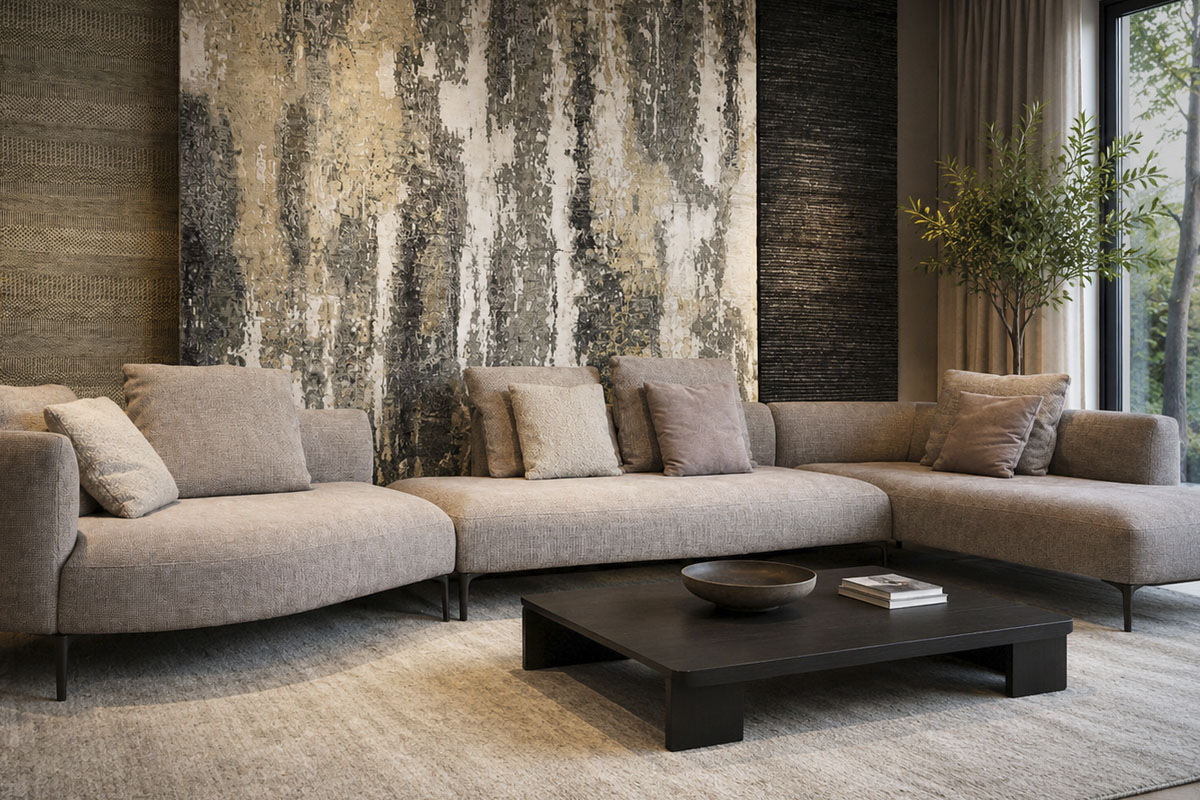
The neutral shades commonly associated with sisal make it easy to pair with different furnishings. Cream, beige, tan, and natural straw tones can complement timber furniture, upholstered sofas, leather seating, and painted cabinetry.
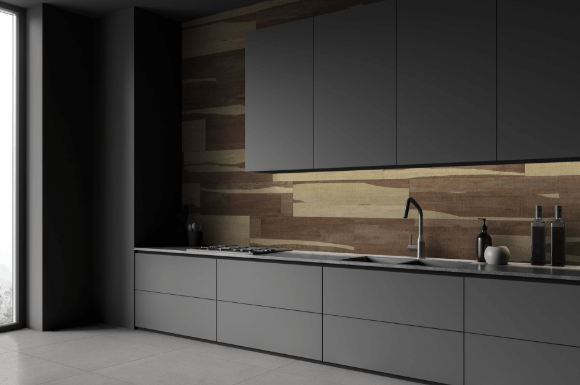
The material also brings a certain visual warmth to spaces dominated by smooth surfaces. A polished concrete floor or large-format tile, for example, can feel quite stark on its own. Adding a textured natural-fibre rug introduces contrast while retaining a restrained aesthetic.
Why Custom Sizing Makes a Difference
Standard rug dimensions do not always suit the proportions of a room. A ready-made rug may be too small to anchor a seating arrangement or too large for the available floor area. Custom sizing removes some of those limitations.
A dining room provides a useful example. The rug needs enough space for chairs to remain on the rug even when they are pulled away from the table. In a living room, the ideal dimensions depend on the position of the sofa, armchairs, coffee table, and surrounding furniture.
Custom sizing allows the rug to be planned around these elements instead of forcing the furniture arrangement to accommodate a fixed product.
Unusual spaces can benefit even more. Long hallways, narrow rooms, open-plan areas, curved seating zones, and large entrances may all require dimensions that are difficult to find in standard collections.
Shape Can Change the Feel of a Room
Rectangular rugs remain the most common choice, but they are not the only option. Round, oval, square, and irregularly shaped rugs can create different visual effects.
A round sisal rug can work beneath a circular dining table or in a compact seating area. An elongated design can emphasise the length of a hallway or open-plan room. In larger interiors, several carefully sized rugs can divide functional areas without the need for physical partitions.
The shape should relate to the furniture and architecture rather than being selected independently. Repeating curves found in furniture, lighting, or architectural features can make a rounded rug feel particularly natural within the space.
Edging Adds a Finished Detail
The edge of a natural-fibre rug receives plenty of attention because it forms a visible boundary between the rug and the surrounding floor. Binding can therefore influence the finished appearance almost as much as the sisal itself.
A simple neutral border can maintain a subtle look, while a contrasting edge can create a stronger frame. The choice can be coordinated with upholstery, curtains, furniture finishes, or other accents already present in the room.
Edging also has a practical purpose. It helps reinforce the perimeter of the rug and contributes to its overall durability. For busy areas, selecting an appropriate finishing method is worth considering alongside appearance.
Creating Warmth Without Visual Clutter
Texture can make a room feel richer without adding more colour or decorative objects. Sisal achieves this through its woven surface and natural fibre variation.
This makes it useful for minimalist interiors, where excessive decoration can undermine the intended simplicity. A plain sisal rug can introduce enough texture to prevent a neutral room from appearing flat.
In more traditional settings, the material can sit comfortably alongside patterned upholstery, wooden furniture, and decorative accessories. Its understated appearance allows other design features to remain prominent.
Layering is another possibility. A sisal rug can serve as a neutral foundation beneath a smaller decorative rug, creating contrast between coarse natural texture and a softer patterned surface.
Choosing the Right Colour
Natural sisal has a relatively restrained colour palette, but subtle differences in tone can have a noticeable effect. Lighter shades can help smaller rooms appear more open, while deeper natural tones can provide a stronger grounding effect.
Colour selection should also take the surrounding floor into account. A rug that closely matches the flooring may create a continuous appearance, while a moderate contrast can clearly define the area.
Furniture colour matters as well. Warm wood tones generally pair naturally with the golden and earthy shades found in sisal. Cooler interiors can benefit from softer neutral variations that prevent the rug from appearing disconnected from the rest of the scheme.
Where Sisal Rugs Work Best
Sisal rugs are versatile enough for several areas of a home. Living rooms are a natural choice because the texture helps define seating arrangements while adding warmth underfoot.
Dining areas can also benefit from their structured appearance. Bedrooms may use sisal as a foundation for softer textiles, particularly when the aim is to create a natural, relaxed atmosphere.
Hallways and entry areas can gain visual interest from a long runner or appropriately sized rug. However, the level of foot traffic should always be considered before selecting a natural-fibre rug for a particular location.
Rooms exposed to frequent moisture require additional caution. Sisal is a natural fibre and is generally better suited to dry interior environments than areas where it may regularly encounter spills or damp conditions.
Caring for Natural-Fibre Rugs
Regular maintenance helps preserve the appearance of sisal. Routine vacuuming removes loose dirt before it becomes embedded within the fibres. A suitable vacuum setting should be used to avoid unnecessarily aggressive treatment of the woven surface.
Spills should be addressed promptly. Excess moisture can affect natural fibres, so soaking the rug is generally unsuitable. Care instructions provided for the specific rug should take priority, particularly for cleaning products and stain treatment.
Furniture placement can also influence long-term appearance. Moving heavy furniture occasionally may reduce the formation of permanent pressure marks and allow the rug to wear more evenly.
A Natural Foundation for Thoughtful Interiors
The appeal of sisal lies in its ability to add character without overwhelming a room. Its texture provides depth, its natural colouring works with a broad range of palettes, and custom sizing makes it easier to create a rug that fits the proportions of a particular space.
Rather than treating a rug as an afterthought, homeowners can use it as part of the room’s original design. The right dimensions, shape, edging, and tone can help furniture feel connected and give an open area a clearer sense of purpose.
For interiors built around natural materials and understated finishes, a well-chosen sisal rug can provide the grounded, tactile quality that brings the entire space together.