Alcohol Withdrawal: What to Expect and How It’s Treated

Most people know that stopping alcohol suddenly can cause discomfort. Fewer people know just how serious that discomfort can get, or why it happens in the first place. Alcohol withdrawal is one of the only substance withdrawal syndromes that can be genuinely life-threatening, and yet it remains widely misunderstood. Understanding what the body goes through, what warning signs to watch for, and what effective treatment looks like can make a real difference for anyone supporting a loved one through recovery or considering stopping drinking themselves.
Why the Body Reacts So Strongly to Stopping Alcohol
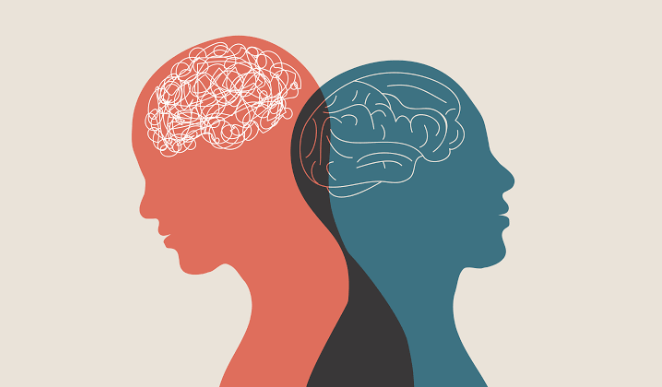
Alcohol is a central nervous system depressant. When someone drinks regularly over a long period, the brain adapts by ramping up its own stimulatory activity to compensate for the constant sedating effect of alcohol. Essentially, the nervous system recalibrates to function in the presence of alcohol. When alcohol is removed suddenly, that heightened excitability has nothing left to counterbalance it. The result is a nervous system in overdrive, which is the physiological root of withdrawal.
This process is driven largely by changes in two key neurotransmitter systems. Gamma-aminobutyric acid (GABA), which is the brain’s primary inhibitory neurotransmitter, becomes less effective over time in heavy drinkers. Meanwhile, glutamate, the main excitatory neurotransmitter, increases in activity. When alcohol is removed, this imbalance tips sharply toward overstimulation. That explains why withdrawal symptoms can include seizures, racing heart, and extreme anxiety rather than simple fatigue or cravings.
The Timeline of Alcohol Withdrawal Symptoms
Symptoms do not all arrive at once. They tend to unfold in a somewhat predictable sequence over the first several days, though individual factors like age, overall health, how long someone has been drinking, and whether they have withdrawn before all influence the severity and timing. Here is a general outline of how withdrawal typically progresses.
| Time After Last Drink | Common Symptoms |
| 6 to 12 hours | Anxiety, headache, nausea, hand tremors, insomnia, sweating |
| 12 to 24 hours | Hallucinations (visual, auditory, or tactile) in some individuals |
| 24 to 48 hours | Risk of seizures peaks; continued tremors, elevated heart rate |
| 48 to 72 hours | Risk of delirium tremens (DTs); confusion, fever, severe agitation |
| 72 hours and beyond | Symptoms typically begin to subside, though fatigue and mood changes can persist for weeks |
The hallucinations that can occur in the first 24 hours are distinct from delirium tremens. A person experiencing early withdrawal hallucinations is usually aware they are not real. Delirium tremens, by contrast, involves a complete loss of orientation and is a medical emergency. According to the New England Journal of Medicine, delirium tremens occurs in roughly 3 to 5 percent of people undergoing alcohol withdrawal, and without treatment carries a mortality rate as high as 15 percent.
Risk Factors That Increase Withdrawal Severity
Not everyone who stops drinking will experience severe withdrawal. For some people, especially those who have been drinking moderately for a shorter period, symptoms may be mild and manageable. But several factors consistently predict more serious outcomes.
- History of previous withdrawal episodes, particularly those involving seizures
- Long duration of heavy alcohol use (typically more than ten years)
- High daily alcohol intake before stopping
- Older age, which is associated with slower metabolic processing and greater neurological sensitivity
- Co-occurring medical conditions such as liver disease, heart disease, or nutritional deficiencies
- Previous diagnosis of delirium tremens
- Using other substances alongside alcohol, particularly benzodiazepines
The phenomenon known as “kindling” is worth understanding here. Each time a person goes through alcohol withdrawal, the brain can become progressively more sensitized to the process. Subsequent withdrawals may be more severe than earlier ones even if alcohol consumption has not increased. This is one reason why medical professionals encourage people not to attempt withdrawal alone after multiple previous episodes.
Medical Treatment Approaches for Alcohol Withdrawal
The cornerstone of medically supervised alcohol withdrawal treatment is the use of benzodiazepines. These medications work on the same GABA receptors that alcohol affects, which means they can calm the overstimulated nervous system and significantly reduce the risk of seizures and delirium. Diazepam and lorazepam are among the most commonly used. Dosing is typically tapered over several days rather than stopped abruptly.
Clinicians often use a standardized assessment tool called the Clinical Institute Withdrawal Assessment for Alcohol (CIWA-Ar) to measure symptom severity and guide dosing decisions. This ten-item scale evaluates things like nausea, tremor, anxiety, and agitation. Scores above a certain threshold indicate a need for more aggressive medication management.
Beyond benzodiazepines, other medications may be used depending on the clinical picture. Anticonvulsants like carbamazepine are used in some settings, particularly in Europe, and show some evidence of effectiveness with a lower abuse potential. Beta-blockers may be added to manage cardiovascular symptoms like elevated heart rate. Thiamine (vitamin B1) supplementation is almost universally given because heavy alcohol use depletes thiamine, and deficiency can cause Wernicke encephalopathy, a serious neurological condition affecting memory and coordination. Resources like Wellness Recovery Center provide medically supervised detox programs that combine these evidence-based pharmacological interventions with clinical monitoring throughout the withdrawal period.
The Difference Between Detox and Full Recovery
Medical detox addresses the acute physical crisis of withdrawal. It is an essential first step, but it is not the same as treating alcohol use disorder. Once the body has cleared alcohol and stabilized, the underlying psychological and behavioral patterns that drove drinking still need to be addressed. Skipping this phase is one of the most common reasons people return to drinking after an initial period of abstinence.
Effective treatment for alcohol use disorder typically involves a combination of approaches. Behavioral therapies such as cognitive behavioral therapy (CBT) and motivational enhancement therapy help people identify and change thought patterns that contribute to drinking. Peer support through programs like Alcoholics Anonymous or SMART Recovery addresses the social dimension of recovery. Medications approved for alcohol use disorder, including naltrexone, acamprosate, and disulfiram, can reduce cravings or create an aversive reaction to alcohol, making it easier to maintain abstinence.
Inpatient vs. Outpatient Withdrawal Management
Not all withdrawal needs to be managed in a hospital setting. For people assessed as low-risk, outpatient detox with daily or twice-daily check-ins may be appropriate and is often more accessible. However, inpatient or residential withdrawal management is recommended when someone has a history of severe withdrawal, lacks stable housing or social support, has co-occurring psychiatric conditions, or is using multiple substances. The setting matters less than having consistent clinical oversight.
Supporting Someone Through Alcohol Withdrawal
For family members and friends, watching someone go through withdrawal can feel frightening and helpless. A few practical things can make a real difference. Encouraging the person to seek medical evaluation before stopping drinking gives clinicians the chance to assess risk and put a management plan in place. Trying to convince someone to simply “tough it out” at home without any assessment, particularly when they have a long history of heavy drinking, carries genuine danger.
During the withdrawal period itself, keeping the environment calm and quiet helps reduce nervous system stimulation. Offering water, light food if tolerated, and reassurance without pressure are supportive steps. Knowing the warning signs that require emergency attention is equally important. Seizures, severe confusion, high fever, uncontrollable vomiting, or hallucinations with loss of insight are all reasons to call for emergency care immediately.
- Encourage a medical evaluation before the person stops drinking, not after symptoms begin
- Do not leave a high-risk individual alone during the first 72 hours
- Keep the environment quiet, cool, and low in stimulation
- Ensure access to water and electrolyte fluids to prevent dehydration
- Know the signs of delirium tremens and be prepared to call emergency services
- After detox, help the person connect with a longer-term treatment or support program
Alcohol withdrawal is serious, but it is also very treatable when managed appropriately. The gap between knowing that and actually accessing care is where a lot of people get stuck. Learning the facts, understanding the timeline, and knowing what questions to ask a healthcare provider can help close that gap for anyone facing this challenge.