Natural Stone Tile vs Ceramic Tile: Which Provides Better Durability

When renovating homes, choosing the right tile material is crucial for ensuring longevity and value. Natural stone tiles and ceramic tiles are popular choices due to their distinctive features and appearance. However, the decision often hinges on durability, which is essential for areas exposed to frequent foot traffic.
In this article, we evaluate the durability of natural stone and ceramic tiles to help homeowners make an informed decision. By understanding the strengths and weaknesses of each option, you can choose the best tile material for your renovation project.
Natural Stone Tile Versus Ceramic Tile Durability
Natural stone tiles, like granite or marble, are known for their strength and resilience. These tiles can withstand substantial weight and pressure, making them ideal for areas like kitchens and entryways. However, natural stone can be more porous, requiring specific sealants to maintain its durability over time. Natural stone tile can be a beautiful choice for your home.
Conversely, ceramic tiles are manufactured under controlled conditions, resulting in a uniformly tough surface. They resist cracking and chipping better than many natural stones. This makes them a favored choice for budget-conscious homeowners seeking a durable alternative.
Evaluating your needs is essential before deciding. If you’re looking for strength against heavy loads, investing in high-quality stone may suit your needs. However, bear in mind the additional maintenance costs associated with its upkeep.
Comparing Wear and Tear Resistance of Stone and Ceramic
In terms of wear and tear resistance, ceramic tiles often outperform natural stones. The surface glaze on ceramic tiles provides a shield against scratches and abrasions. Furthermore, their accessibility and variety offer numerous design options without compromising durability.
Natural stone, while robust, is more prone to scratches and requires regular maintenance to protect its surface. For instance, marble may scratch easily, impacting its appearance over time. As such, natural stone may not be recommended for spaces like children’s play areas.
If priority lies in selecting a tile that demands minimal care and offers a longer aesthetic lifespan, ceramics may be preferable. Otherwise, choose a stone that aligns with your lifestyle and be prepared for periodic resurfacing or overall maintenance.
Long-term Maintenance for Natural Stone and Ceramic Tiles
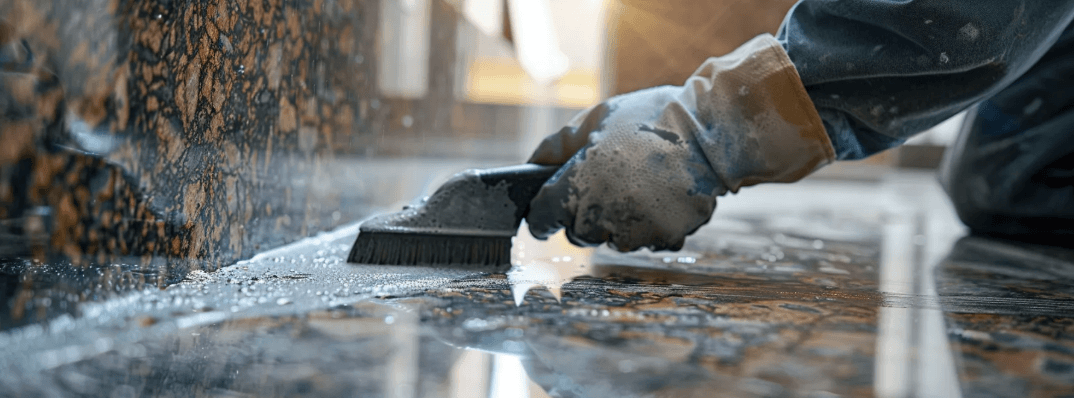
Maintaining natural stone tiles can be labor-intensive and involve sealing the surface regularly to prevent stains and damage. This ongoing maintenance is critical to preserving their aesthetic and structural properties over time.
Ceramic tiles, however, are renowned for their low-maintenance requirements. Their protective glaze means these tiles seldom require more than routine cleaning. This feature makes ceramics suitable for households seeking a hassle-free flooring option.
Consider long-term maintenance implications when choosing between these materials. Those willing to invest time in maintenance may benefit from the lasting appeal of stone, while those leaning toward convenience and ease of care might find ceramics more aligned with their goals.
Choosing Between Stone and Ceramic for High-Traffic Areas

High-traffic areas demand materials that can endure constant use without sacrificing integrity or appearance. Natural stone tiles are often chosen for their timeless elegance and are valued for being a long-term investment.
Ceramic tiles are frequently heralded for their capacity to withstand heavy use. They suit commercial spaces due to their resilience, available in designs that mimic more expensive materials while maintaining affordability.
When choosing for high-traffic areas, assess the foot traffic patterns and environmental conditions. While natural stone may elevate the space aesthetically, its maintenance may outweigh its visual benefits. Those prioritizing durability over elegance will often find ceramics a better match.
Overall, considering both the mechanical durability and maintenance factors is vital when choosing between natural stone and ceramic tiles. Each offers unique advantages, with natural stone providing elegance and ceramics offering practicality, ultimately guiding your selection based on your specific requirements.