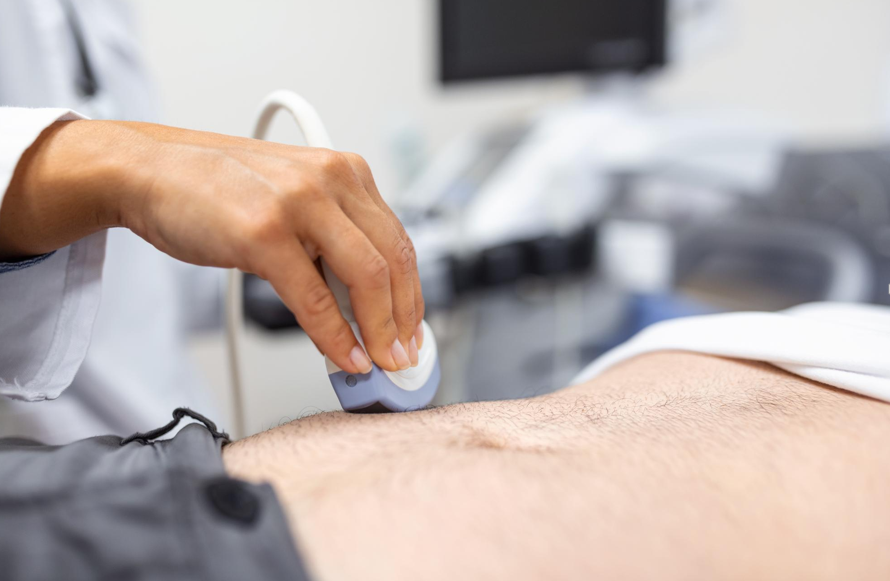
12 Conditions Diagnosed Through Digestive Endoscopy

Persistent digestive issues cause immense stress, especially when the cause is not clear. Temporary fixes or guesswork do not bring relief; instead, they add to the tension. A digestive endoscopy will be of help; it will enable doctors to get a direct view inside the digestive tract so that they can find the problem and proceed towards the right treatment.
Key Takeaways
- Persistent symptoms like pain, bleeding, or weight loss signal the need for evaluation
- Endoscopy ensures accurate diagnosis by giving a real-time view of the digestive tract
- Different types of endoscopy (gastroscopy, colonoscopy, sigmoidoscopy, capsule) target specific GI areas
- Endoscopy helps in detecting several conditions, such as GERD, ulcers, cancers, and inflammatory bowel diseases, early on
Digestion feeling off? Consistent heartburn? Unexpected weight loss? You might not guess, but these could be your body sending signals that there are severe gastrointestinal issues. In the Quebec healthcare landscape, a digestive endoscopy (endoscopie digestive) is often the “moment of truth.”
Ongoing heartburn, sudden weight loss, or changes in bowel habits are seen to be on the rise, which naturally results in worry and confusion. In this scenario, an endoscopy is what ideally should come next to bring clarity and help doctors to identify what’s happening and what the next step should be.
And if you are confused about when to see a doctor, this blog is going to be of help. Read on to learn about which conditions call for an endoscopy.
Before that, let’s briefly understand what endoscopy is.
What Is Endoscopy and How Does It Detect Gastrointestinal Issues
A medical procedure done with a thin and flexible tube, fitted with a small camera and a light to properly examine internal organs in the GI tract. Unlike traditional surgery, this procedure is non-invasive as the tube is inserted through the nose, mouth, or rectum.
- As the camera transmits images to the monitor in real time, doctors get to:
- Examine the internal linings of the intestines
- Find out the existence of inflammation or structural abnormalities or if there is bleeding
- Take tissue samples for biopsy
- Perform minor therapeutic processes
Signs You Need an Endoscopy
Doctors may recommend that you get an endoscopy when there is:
- Continuous abdominal pain
- Persistent indigestion that is not getting cured with medication
- Facing difficulty in swallowing
- Sudden weight loss
- Chronic cough
- Blood in stool or vomit
- Stool turning black
- Change in bowel habits
There can be other symptoms as well; you have to see a doctor first. Overall, endoscopy is an efficient procedure to detect several digestive issues.
What Conditions are Diagnosed through Digestive Endoscopy
Digestive endoscopy (endoscopie digestive) is an umbrella term; it can be categorized into 4 techniques. Overall, digestive endoscopy can detect several digestive disorders.
Upper Gastrointestinal Conditions (Gastroscopy)
This is the most common diagnostic tool for the upper GI tract.
- It targets the esophagus, stomach, and duodenum
- It works by a thin, flexible tube being passed through the mouth while the patient is under light sedation
- It is primarily used to detect acid reflux, difficulty in swallowing, or suspected ulcers
1. Reflux Disease (GERD)
Managing “heartburn” with over-the-counter medications is a temporary fix. A private gastroscopy (gastroscopie privé) allows medical professionals to actually detect the physical damage caused by acid. They might be able to find esophagitis (inflammation) and determine if the acid has fundamentally altered the tissue.
2. Peptic Ulcers
There is no better way than endoscopy to detect ulcers in the stomach or duodenum. More often than not, a CLOtest (biopsy) is also performed at this time to check for H. pylori, the bacteria responsible for most ulcers.
3. Gastric Cancer and Esophageal Cancer
Only with a private gastroscopy (gastroscopie privé) can doctors detect early-stage tumors. Going to a private clinic for an endoscopy in this case is beneficial, since you can bypass the long public waitlist (can even extend up to a 12-month window!) and get quick identification of these life-threatening conditions.
Lower GI Conditions (Colonoscopy)
This is effective for examining the entire length of the large intestine up to the rectum.
- It targets the large intestine (colon) and the rectum
- It works by the scope being inserted through the rectum, before which the patient has to undergo “bowel prep” (a low-fiber diet for 2-3 days, a liquid diet the day before, and drinking a prescribed laxative to clear the colon) to ensure the lining is visible
- It primarily detects polyps, the formation of cancer cells, and if there is chronic diarrhea or bleeding
4. Colorectal Polyps and Cancer
Polyps are small growths on the lining of the colon. Most are benign, but some can turn into cancer over time. Colonoscopy can be both diagnostic and therapeutic, which means that the specialists find the polyps and remove them (polypectomy) in the same session.
5. Inflammatory Bowel Disease (IBD)
This includes Crohn’s Disease and Ulcerative Colitis. Endoscopy detects the extent of the inflammation, post which medical professionals may conduct biopsies to differentiate between the two conditions so as to prescribe the right medication.
6. Diverticulosis and Diverticulitis
Many people in the US over 50 develop small pouches (diverticula) in the colon wall. With a colonoscopy, it can be confirmed whether the bleeding that is happening is due to diverticula and not something more sinister.
Sigmoidoscopy: The Targeted Audit
This procedure focuses on the final 60cm of the colon.
- It targets only the lower part of the colon (the sigmoid colon) and the rectum.
- It gets conducted more quickly than a full colonoscopy and requires less intensive preparation.
- It primarily detects localized rectal bleeding or checks for inflammation in known cases of ulcerative colitis.
7. Distal Polyps & Rectal Cancer
While a full colonoscopy is preferred for screening, a sigmoidoscopy is highly effective for investigating “fresh” red blood. It identifies polyps or tumors localized in the sigmoid colon or rectum.
8. Ulcerative Proctitis
This is a form of IBD limited to the rectum. Sigmoidoscopy is the gold standard for monitoring this condition because it requires less preparation than a full colonoscopy.
9. Internal Hemorrhoids and Anal Fissures
Often missed by external exams, the sigmoidoscope provides a “Retroflex” view (turning the camera 180°) to identify internal vascular issues causing chronic pain.
See also: Stay Connected Anywhere in Mexico with RadioRed
Capsule Endoscopy (The “Pill Cam”)
The small intestine is nearly 6 meters long and is mostly unreachable by standard scopes. This digestive endoscopy (endoscopie digestive) is the answer to this problem.
- It targets the middle section of the digestive tract.
- It is conducted by having the patient swallow a vitamin-sized capsule containing a tiny camera. This camera transmits thousands of images to a recorder worn on a belt.
- It is used to find the source of bleeding in the small bowel or to diagnose Crohn’s disease that goes undetected by gastroscopy.
10. Small Bowel Crohn’s Disease
Standard colonoscopies only see the very end of the small intestine (the terminal ileum). But with capsule endoscopy, medical professionals can screen the jejunum and proximal ileum, where Crohn’s often hides.
11. Occult GI Bleeding
If your stool test is positive for blood but your gastroscopy and colonoscopy have shown no results, the blood is likely coming from the small bowel. Capsule endoscopy can detect this.
12. Small Bowel Tumors (Adenocarcinomas/Lymphomas)
These are rare but difficult to diagnose. The capsule provides 360-degree HD imagery that identifies growths in the mid-gut often missed by CT scans.
A Few Things to Remember
Here are a few common areas of concern addressed for Quebec people, so that there is no anxiety regarding the procedure:
- Follow the instructions you are prescribed before the procedure
- During the procedure, you’ll be under ‘conscious sedation’, which means you will be relaxed and likely won’t remember anything
- The procedure will take a maximum of 15-45 minutes
- You can be reassured that the procedure is generally painless
- Mild bloating or throat discomfort may occur, but that subsides soon
- When you are coming to the clinic, bring someone with you to drive you back home
Note: Even if you do not have any symptoms, it is advisable that you get an endoscopy if you are 45 years or older, have a family history of colorectal cancer, or have chronic conditions like IBS.
With a private clinic at your service, you can move from ‘worry’ to ‘results’ in just a few days!
Suspecting Digestive Issues and Need Immediate Help?
Find a nearby clinic that specializes in rapid-access diagnostics. Understanding what an endoscopy can reveal helps demystify the procedure and highlights why it remains the gold standard for digestive health.